
Buy Percocet Online
Showing all 5 results
-
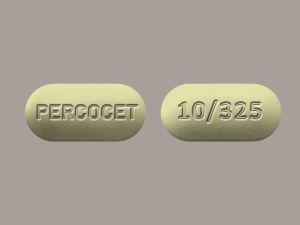
Percocet 10/325mg
$350.00 Select options This product has multiple variants. The options may be chosen on the product page -
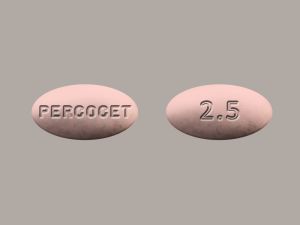
Percocet 2.5/325mg
$350.00 Select options This product has multiple variants. The options may be chosen on the product page -

Percocet 5/325mg
$350.00 Select options This product has multiple variants. The options may be chosen on the product page -
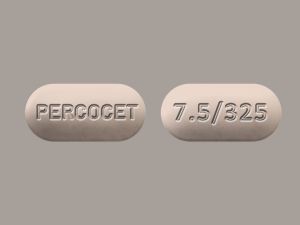
Percocet 7.5/325mg
$350.00 Select options This product has multiple variants. The options may be chosen on the product page -
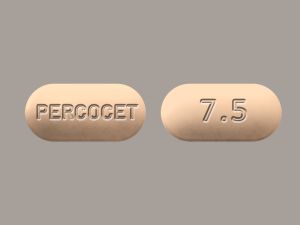
Percocet 7.5/500mg
$350.00 Select options This product has multiple variants. The options may be chosen on the product page
Percocet: Uses, Dosage, Side Effects and Safety Information
Percocet is a prescription pain medication that combines oxycodone, an opioid analgesic, with acetaminophen, a non-opioid pain reliever. It may be prescribed for certain types of pain when a healthcare professional determines that this combination is appropriate. Because it contains an opioid and acetaminophen, Percocet has important safety considerations, including respiratory depression, dependence, addiction and potential liver injury.
Understanding its ingredients, medical uses, side effects and precautions can help patients have informed discussions with their healthcare professionals. A product listing, photograph or strength label alone cannot confirm a medicine’s authenticity, formulation or legal availability.
What Is Percocet?
Percocet combines two active ingredients that relieve pain through different mechanisms.
- Oxycodone: An opioid that acts on receptors in the central nervous system to change how the body perceives and responds to pain.
- Acetaminophen: A pain reliever and fever reducer that can complement oxycodone’s analgesic effects.
The combination may provide pain relief for selected patients, but it also creates risks associated with both ingredients. Oxycodone can cause sedation, respiratory depression and dependence. Acetaminophen can cause serious liver damage when taken in excessive amounts or combined with other products containing the same ingredient.
Percocet is a controlled prescription medicine in the United States. It should only be used under appropriate medical supervision and according to the prescription label.
What Is Percocet Used For?
Percocet may be prescribed for pain that is severe enough to require an opioid when other treatment options are inadequate or unsuitable.
A healthcare professional may evaluate its use for:
- Acute pain: Certain episodes of significant pain following an injury, procedure or surgery.
- Short-term pain management: Situations in which an opioid combination is considered appropriate after evaluating the expected benefits and risks.
- Selected other pain conditions: Individual cases in which the prescriber determines that this medication is suitable.
Percocet is not necessary for every type of pain. Depending on the cause and severity, treatment may involve non-opioid medicines, local treatments, physical therapy or other approaches.
The goal of pain management is to improve comfort and function while minimizing medication-related harm. Patients should discuss their symptoms, previous treatments and medical history with their healthcare professional.
Understanding Percocet Strengths
The product listings on this page display Percocet strengths including 2.5/325mg, 5/325mg, 7.5/325mg, 10/325mg and 7.5/500mg.
Combination strengths generally use the first number to indicate the amount of oxycodone and the second number to indicate the amount of acetaminophen per tablet. However, a website listing does not verify the contents of an individual product.
The listed 7.5/500mg strength requires particular caution. It should not be assumed to be a currently approved standard US Percocet formulation. Verify the exact product and its regulatory status using current official labeling and advice from a licensed pharmacist.
Important considerations include:
- Confirm both active ingredients and their amounts on the official product label.
- Do not assume that products with similar names or strengths are interchangeable.
- Do not use a tablet based solely on its appearance or online photograph.
- Account for acetaminophen in all medicines you take, including cold, flu and other pain-relief products.
- Ask a pharmacist to verify unfamiliar or questionable product labels.
The strength listed on a product page does not establish the correct dose for an individual patient.
Percocet Dosage and Medical Supervision
Percocet dosage must be determined by a qualified prescriber. The appropriate regimen depends on the patient’s pain, age, medical history, other medications, previous opioid exposure and risk of adverse effects.
Patients should follow the prescription label and official medication instructions. Do not increase the dose, take extra tablets or change the dosing schedule without medical direction.
Because Percocet contains acetaminophen, taking more than prescribed can increase the risk of liver injury. Taking additional acetaminophen-containing medicines without checking the combined amount can also cause accidental overdose.
If pain remains uncontrolled, contact the prescribing healthcare professional instead of taking extra medication. If a dose is missed, follow the medication instructions or ask a pharmacist for advice rather than doubling the next dose.
Patients who have used opioids regularly should consult their prescriber before stopping treatment suddenly, as withdrawal symptoms may occur.
Common Side Effects of Percocet
Percocet may cause side effects associated with oxycodone, acetaminophen or the combination.
Possible side effects include:
- Nausea or vomiting
- Constipation
- Drowsiness
- Dizziness or lightheadedness
- Headache
- Sweating
- Dry mouth
- Weakness or fatigue
Drowsiness and dizziness may affect balance, concentration and reaction time. Avoid driving or operating machinery until you know how the medicine affects you.
Constipation is a common opioid-related effect. A healthcare professional or pharmacist can recommend suitable prevention or management options.
Seek medical advice if side effects are persistent, severe or worsening. Severe sleepiness, difficulty breathing or signs of a serious allergic reaction require urgent medical attention.
Serious Risks: Opioid Overdose and Liver Injury
Percocet carries two major categories of serious risk because it combines oxycodone and acetaminophen.
Respiratory depression and opioid overdose
Oxycodone can slow breathing. The risk may increase with higher exposure, other opioids, alcohol, sedatives or certain health conditions.
Possible overdose warning signs include:
- Slow, shallow or stopped breathing
- Extreme sleepiness or inability to wake the person
- Unresponsiveness
- Blue, grey or unusually pale lips or skin
- Pinpoint pupils, particularly alongside other symptoms
If an opioid overdose is suspected, call emergency services immediately. Give naloxone if available and follow emergency instructions. Naloxone can temporarily reverse opioid effects, but urgent medical assessment remains essential because symptoms can return.
Acetaminophen-related liver damage
Excessive acetaminophen exposure can cause severe liver injury, sometimes before obvious symptoms appear. Risk may increase when people combine multiple acetaminophen-containing products or exceed recommended limits.
Possible symptoms of liver injury can include nausea, vomiting, abdominal pain, unusual tiredness, dark urine or yellowing of the skin or eyes. Do not wait for symptoms if an overdose is suspected. Contact emergency services or a poison control service immediately.
Always tell your healthcare professional about all medicines and supplements you take.
Dependence, Tolerance and Addiction
Oxycodone can cause physical dependence, tolerance and opioid use disorder.
Physical dependence means the body has adapted to regular exposure. Stopping the medication suddenly may cause withdrawal symptoms.
Tolerance occurs when the body’s response to a medicine changes over time. It does not mean that increasing the dose independently is safe.
Opioid use disorder involves a problematic pattern of opioid use that causes significant impairment or distress. It is a medical condition for which professional treatment is available.
Withdrawal symptoms may include sweating, anxiety, restlessness, muscle aches, nausea, abdominal discomfort and diarrhea. Patients who have been taking Percocet regularly should speak with their prescriber before making changes to treatment.
Never share Percocet with another person or use it for a condition for which it was not prescribed.
Drug Interactions and Alcohol Precautions
Certain substances and medicines can increase Percocet’s risks.
- Alcohol: Can increase sedation and breathing suppression from oxycodone and contribute to liver-related risks.
- Benzodiazepines: Medicines such as alprazolam, clonazepam, diazepam and lorazepam can increase the risk of severe sedation and respiratory depression when combined with opioids.
- Other opioids: Combining opioid medicines can increase overdose risk.
- Sleep medicines and sedatives: Some sleep aids, muscle relaxants and other central nervous system depressants can intensify drowsiness and breathing problems.
- Other acetaminophen products: Combining products containing acetaminophen can lead to excessive total exposure and liver injury.
- Other prescription medicines: Some medicines can alter oxycodone exposure or add to its adverse effects.
Avoid alcohol while taking Percocet. Provide your prescriber and pharmacist with a complete list of prescription medicines, over-the-counter products, supplements and substances you use. Do not start or stop interacting medicines without professional guidance.
Who Needs Extra Caution?
Percocet may be unsuitable or require additional assessment for people with breathing disorders, liver disease, kidney impairment, a history of substance-use problems or increased sensitivity to sedating medicines.
People with liver disease or those who regularly consume alcohol should discuss acetaminophen-related risks with a healthcare professional. Older adults may be more vulnerable to dizziness, falls and respiratory complications.
Pregnancy and breastfeeding require individualized medical advice. Opioid exposure during pregnancy can lead to neonatal opioid withdrawal syndrome, while exposure during breastfeeding may present risks to an infant.
Patients should disclose their medical history, allergies, current medicines and any previous adverse reactions before beginning treatment.
Prescription Requirements and Online Pharmacy Safety
Percocet is a Schedule II controlled substance in the United States because it contains oxycodone. Its prescribing and dispensing are subject to applicable federal and state requirements.
A website advertising Percocet as available without a prescription does not prove that the sale is lawful or that the medicine is genuine, safe or approved. Use a properly licensed pharmacy and follow applicable prescription requirements.
Before using an online pharmacy, verify its licensing with the relevant state pharmacy regulator. Be cautious of sellers that make unsupported claims, offer controlled opioids without a valid prescription or fail to provide verifiable pharmacy information.
Counterfeit tablets may contain unexpected ingredients, including dangerously potent opioids. Familiar branding, packaging and listed strengths are not reliable proof of authenticity.
For questions about a specific product, ask a licensed pharmacist to verify its identity, formulation and current regulatory status.
Frequently Asked Questions About Percocet
What are the active ingredients in Percocet?
Percocet combines oxycodone, an opioid pain reliever, with acetaminophen, a non-opioid pain reliever and fever reducer. The exact formulation of any particular product should be verified through its official labeling.
Is Percocet an opioid?
Yes. Percocet contains oxycodone, an opioid that can cause respiratory depression, physical dependence, addiction and overdose.
Is Percocet a controlled substance?
Yes. Percocet is classified as a Schedule II controlled substance in the United States. Applicable prescription requirements must be followed.
Can Percocet be taken with alcohol?
Alcohol can increase sedation and breathing suppression and may contribute to serious harm. Avoid alcohol while taking Percocet.
Can Percocet damage the liver?
Yes. Percocet contains acetaminophen, which can cause severe liver injury when taken in excessive amounts. Avoid combining it with other acetaminophen-containing products unless a healthcare professional has reviewed the total exposure.
Can Percocet cause withdrawal symptoms?
Yes. Regular opioid use can lead to physical dependence. Stopping suddenly may cause withdrawal symptoms, so discuss treatment changes with your prescriber.
How can someone recognize a Percocet overdose?
Warning signs include very slow or absent breathing, inability to wake the person and unusual skin or lip coloration. Call emergency services immediately and administer naloxone if available. Suspected acetaminophen overdose also requires urgent assessment, even if symptoms are not yet present.
Medical Disclaimer
This content is for general educational purposes and is not a substitute for professional medical advice, diagnosis or treatment. Percocet contains an opioid and acetaminophen and carries serious risks, including respiratory depression, dependence, addiction, overdose and liver injury. Treatment decisions must be made with a qualified healthcare professional using current official prescribing information. Product listings do not verify a medicine’s identity, authenticity, approval status or legal availability. Never start, stop or change opioid treatment without appropriate medical guidance.