
Buy Oxymorphone Online
Showing all 9 results
-
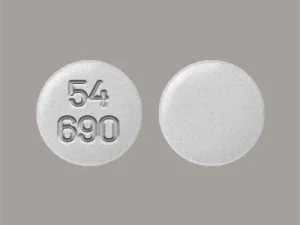
Oxymorphone 10mg
$350.00 Select options This product has multiple variants. The options may be chosen on the product page -

Oxymorphone 15mg
$350.00 Select options This product has multiple variants. The options may be chosen on the product page -
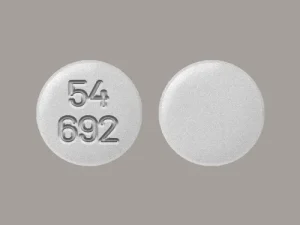
Oxymorphone 20mg
$350.00 Select options This product has multiple variants. The options may be chosen on the product page -

Oxymorphone 40mg
$350.00 Select options This product has multiple variants. The options may be chosen on the product page -

Oxymorphone 5mg
$350.00 Select options This product has multiple variants. The options may be chosen on the product page -
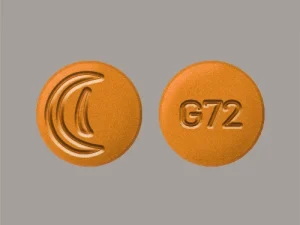
Oxymorphone ER 10mg
$350.00 Select options This product has multiple variants. The options may be chosen on the product page -

Oxymorphone ER 20mg
$350.00 Select options This product has multiple variants. The options may be chosen on the product page -

Oxymorphone ER 40mg
$350.00 Select options This product has multiple variants. The options may be chosen on the product page -

Oxymorphone ER 5mg
$350.00 Select options This product has multiple variants. The options may be chosen on the product page
Oxymorphone: Uses, Dosage, Side Effects and Safety Information
Oxymorphone is a potent prescription opioid analgesic used in selected cases to manage severe pain. It acts on opioid receptors in the central nervous system, changing how the body perceives and responds to pain. Because it can cause serious breathing problems, physical dependence, addiction and potentially fatal overdose, oxymorphone requires careful medical assessment and supervision.
This guide explains oxymorphone’s medical uses, formulations, potential side effects, important drug interactions and safety precautions. Product names, photographs and strength labels alone cannot confirm a medicine’s authenticity, formulation, approval status or lawful availability.
What Is Oxymorphone?
Oxymorphone is an opioid medication that affects the central nervous system to reduce pain. It may be prescribed when a healthcare professional determines that an opioid is appropriate for a patient’s condition and that the expected benefits outweigh the risks.
Oxymorphone has been available in immediate-release and extended-release formulations. These formulations differ in how quickly the medication is released and how they are intended to be used.
The immediate-release form is designed to release the medicine more quickly, while an extended-release formulation is designed to release it gradually over time. They are not interchangeable on a milligram-for-milligram basis without professional direction.
Oxymorphone is a controlled prescription medicine in the United States. It has a significant risk of misuse, dependence and respiratory depression, so treatment must follow applicable prescription requirements and official prescribing information.
What Is Oxymorphone Used For?
Oxymorphone may be used in selected situations involving severe pain when other treatment options are inadequate or unsuitable. A prescriber considers the type and duration of pain, previous treatments, medical history and the patient’s individual risk factors.
Potential clinical contexts include:
- Severe pain: Pain that requires an opioid analgesic after an appropriate medical assessment.
- Selected persistent pain conditions: Certain patients may require an extended-release opioid when continuous pain management is medically justified.
- Pain requiring individualized treatment: A clinician may assess whether an opioid is appropriate based on the patient’s condition, response to previous therapies and safety profile.
Opioids are not the first choice for every pain condition. Depending on the cause of pain, treatment may include non-opioid medicines, physical therapy, rehabilitation or other approaches.
Oxymorphone should only be used for the person for whom it was prescribed. It should not be shared with others or used to self-treat an undiagnosed condition.
Understanding Oxymorphone Strengths and Formulations
The product listings on this page display oxymorphone and oxymorphone ER labels in strengths of 5mg, 10mg, 15mg, 20mg and 40mg. These labels do not independently establish that every listed strength or formulation is authentic, currently approved or legally available.
Immediate-release and extended-release formulations have different release characteristics and prescribing instructions. A product labeled “ER” should not be assumed equivalent to a product without that designation.
Important considerations include:
- Immediate-release products: Release the medication more quickly and have their own prescribed dosing instructions.
- Extended-release products: Are designed to release medication over a longer period and require formulation-specific precautions.
- Strength labels: Indicate the amount claimed on the label but do not prove the contents or authenticity of a tablet.
- Product verification: The active ingredient, dosage form, manufacturer and approval status should be verified through reliable official labeling and a licensed pharmacist.
Do not crush, chew, split or dissolve an extended-release opioid tablet unless the official instructions for that exact product explicitly permit it. Altering a modified-release formulation can cause too much medication to be released at once, potentially resulting in a fatal overdose.
Oxymorphone Dosage and Medical Supervision
Oxymorphone dosage must be determined by a qualified prescriber. The appropriate regimen depends on the formulation, the patient’s condition, previous opioid exposure, other medicines and overall health.
A listed product strength is not a recommended dose. Higher strengths are not automatically more suitable, and opioid tolerance cannot be safely determined from a product listing.
Patients should follow their prescription label and official medication instructions. They should not independently increase the dose, change the dosing interval, switch between immediate-release and extended-release products or restart a previous regimen.
If pain remains uncontrolled, or side effects develop, contact the prescribing healthcare professional. Do not take extra medication in response to inadequate pain relief.
People who have been taking opioids regularly should also seek medical advice before stopping treatment. Depending on the circumstances, a clinician may recommend a gradual reduction to reduce withdrawal symptoms.
Common Side Effects of Oxymorphone
Oxymorphone can cause adverse effects, some of which may interfere with daily activities. The risk and severity can vary with the formulation, dose, other medicines and individual health factors.
Possible side effects include:
- Nausea and vomiting
- Constipation
- Drowsiness
- Dizziness or lightheadedness
- Headache
- Itching
- Dry mouth
- Weakness or fatigue
Drowsiness and dizziness can increase the risk of falls and accidents. Avoid driving, operating machinery or performing tasks requiring full alertness until you know how the medication affects you.
Constipation is a common opioid-related effect. A healthcare professional or pharmacist can recommend an appropriate prevention or treatment plan based on individual needs.
Seek medical advice for persistent, worsening or unusual symptoms. Severe sleepiness or breathing difficulties require urgent attention.
Serious Risks and Opioid Overdose
The most serious risk associated with oxymorphone is respiratory depression, in which breathing becomes dangerously slow or shallow. This can occur during prescribed treatment and may be more likely when the medication is combined with alcohol, sedatives or other opioids.
Signs of a possible opioid overdose include:
- Very slow, shallow or stopped breathing
- Extreme sleepiness or inability to wake the person
- Unresponsiveness
- Blue, grey or unusually pale lips or skin
- Pinpoint pupils, particularly when accompanied by other overdose symptoms
If an overdose is suspected, call emergency services immediately. Administer naloxone if it is available and follow the emergency operator’s instructions. Naloxone can temporarily reverse opioid effects, but emergency medical evaluation is still necessary because symptoms may return.
Never assume that someone who is difficult to wake is simply sleeping. Prompt action can be lifesaving.
Dependence, Tolerance and Addiction
Oxymorphone can lead to physical dependence, tolerance and opioid use disorder.
Physical dependence means the body has adapted to the medication. If regular use is stopped suddenly, withdrawal symptoms may occur.
Tolerance means the body’s response to a medicine can change with repeated exposure. It does not mean that increasing the dose without medical supervision is safe.
Opioid use disorder involves a problematic pattern of opioid use that causes significant impairment or distress. It is a medical condition for which professional treatment is available.
Withdrawal symptoms may include sweating, anxiety, restlessness, muscle aches, abdominal discomfort, nausea and diarrhea. Patients taking oxymorphone regularly should consult their prescriber before making changes to treatment.
Medication should never be shared, used for nonmedical purposes or taken in greater amounts than prescribed.
Drug Interactions and Alcohol Precautions
Oxymorphone can interact with medicines and substances that affect alertness or breathing. Some combinations can substantially increase the risk of severe sedation, respiratory depression, coma or death.
Important examples include:
- Alcohol: Can intensify the sedative and respiratory effects of opioids.
- Benzodiazepines: Medicines such as alprazolam, clonazepam, diazepam and lorazepam can increase overdose risk when combined with opioids.
- Other opioids: Combining opioid medicines may cause excessive sedation and breathing problems.
- Sleep medicines and sedatives: Certain sleep aids, muscle relaxants and other central nervous system depressants can increase dangerous side effects.
- Other prescription medicines: Some medicines can affect how the body processes drugs or add to their sedative effects.
Provide your healthcare professional with a complete list of prescription medicines, over-the-counter products, supplements and substances you use. Do not start, stop or combine medicines without professional advice.
Avoid alcohol while taking oxymorphone and follow the precautions in the official medication guide.
Who Needs Extra Caution?
Oxymorphone may be unsuitable or require additional monitoring for people with certain health conditions or risk factors. These may include significant breathing problems, sleep-related breathing disorders, liver or kidney impairment, a history of substance-use problems or increased sensitivity to sedating medicines.
Older adults may be more vulnerable to dizziness, falls, sedation and breathing complications. A healthcare professional should evaluate relevant medical conditions before prescribing treatment.
Pregnancy and breastfeeding require individualized medical advice. Opioid exposure during pregnancy can cause neonatal opioid withdrawal syndrome, while medication exposure during breastfeeding may present risks to an infant.
Tell your prescriber about your medical history, previous opioid reactions and any current or past substance-use concerns.
Prescription Requirements and Online Pharmacy Safety
Oxymorphone is a Schedule II controlled substance in the United States. Its prescribing and dispensing are subject to applicable federal and state requirements.
A website advertising oxymorphone as available without a prescription does not establish that the sale is lawful or that the medicine is genuine, safe or approved. Use a properly licensed pharmacy and follow applicable prescription requirements.
Before using an online pharmacy, verify its licensing with the relevant state pharmacy regulator. Be cautious of websites that make unsupported claims, offer controlled opioids without a valid prescription or fail to provide verifiable pharmacy information.
Counterfeit tablets may contain unexpected ingredients, including highly potent opioids. Product images, packaging and listed strengths are not reliable proof of authenticity.
For questions about a specific product, ask a licensed pharmacist to verify its identity, formulation and current regulatory status.
Frequently Asked Questions About Oxymorphone
Is oxymorphone an opioid?
Yes. Oxymorphone is an opioid analgesic that acts on opioid receptors to reduce pain. It can also cause sedation, respiratory depression, physical dependence and addiction.
What is the difference between oxymorphone and oxymorphone ER?
Oxymorphone ER refers to an extended-release formulation designed to release medication gradually. Immediate-release and extended-release formulations have different instructions and should not be substituted for one another without medical direction.
Is oxymorphone a controlled substance?
Yes. Oxymorphone is classified as a Schedule II controlled substance in the United States because it has accepted medical uses but also a significant potential for misuse and dependence.
Can oxymorphone be taken with alcohol?
Alcohol can increase sedation and breathing suppression when combined with oxymorphone. This combination can be life-threatening, so patients should avoid alcohol and follow their medication guide.
Can oxymorphone cause withdrawal symptoms?
Yes. Regular use can cause physical dependence. Stopping suddenly may lead to withdrawal symptoms, so patients should discuss treatment changes with their prescriber.
How can someone recognize an opioid overdose?
Warning signs include very slow or absent breathing, inability to wake the person and unusual skin or lip coloration. Call emergency services immediately and use naloxone if available.
Are all listed oxymorphone strengths verified products?
No. A website’s product listing alone cannot confirm authenticity, formulation, approval or lawful availability. Verify the exact product and its labeling with a licensed pharmacist and relevant official sources.
Medical Disclaimer
This content is for general educational purposes only and does not replace professional medical advice, diagnosis or treatment. Oxymorphone is a potent prescription opioid associated with serious risks, including respiratory depression, dependence, addiction and fatal overdose. Treatment decisions must be made by a qualified healthcare professional using current official prescribing information. Product listings do not verify a medicine’s identity, authenticity, approval status or legal availability. Never start, stop or change opioid treatment without appropriate medical guidance.