
Buy Norco Online
Showing all 3 results
-
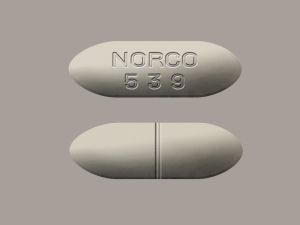
Norco 10/325mg
$350.00 Select options This product has multiple variants. The options may be chosen on the product page -
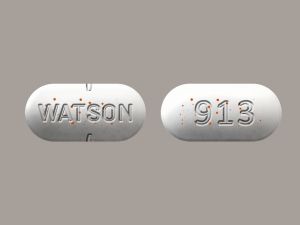
Norco 5/325mg
$350.00 Select options This product has multiple variants. The options may be chosen on the product page -
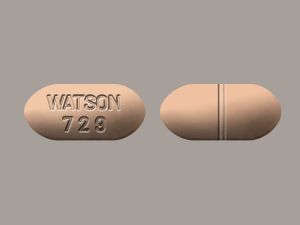
Norco 7.5/325mg
$350.00 Select options This product has multiple variants. The options may be chosen on the product page
Norco 5/325mg, 7.5/325mg and 10/325mg: Uses and Safety Guide
Norco is a brand name associated with a prescription pain medication containing hydrocodone and acetaminophen. Hydrocodone is an opioid analgesic that changes how the brain and nervous system respond to pain, while acetaminophen is a non-opioid pain reliever. The combination may be prescribed for certain cases of pain when a healthcare professional determines that opioid treatment is appropriate.
Norco 5/325mg, 7.5/325mg and 10/325mg refer to different strengths of this combination. The first number indicates the hydrocodone component, while 325mg indicates the amount of acetaminophen per dosage unit. Always verify the actual product label because a listing alone does not establish the authenticity or composition of a medicine.
This guide explains Norco’s medical uses, strength differences, possible side effects, drug interactions, opioid safety and prescription requirements.
What Is Norco?
Norco is associated with a combination of hydrocodone and acetaminophen. Hydrocodone acts on opioid receptors to reduce the perception of pain. Acetaminophen works through different mechanisms to provide additional pain relief.
Because Norco contains an opioid, it can cause drowsiness, respiratory depression, physical dependence and potentially fatal overdose. Acetaminophen also carries a risk of liver injury when excessive amounts are taken, including from multiple medicines that contain the same ingredient.
Norco should only be used under appropriate medical supervision and according to the instructions provided by the prescribing healthcare professional.
Norco 5/325mg, 7.5/325mg and 10/325mg
The strengths differ in the amount of hydrocodone per dosage unit. Each listed strength contains 325mg of acetaminophen per unit, assuming the product label confirms the stated formulation.
Norco 5/325mg
Norco 5/325mg contains a stated 5mg of hydrocodone and 325mg of acetaminophen per dosage unit when the label confirms this formulation.
A clinician may consider a particular strength based on the nature of the pain, previous medication exposure, other health conditions and the patient’s risk of adverse effects. The lowest number is not a guarantee of safety, especially for someone who is not accustomed to opioids or who takes sedating medications.
Norco 7.5/325mg
Norco 7.5/325mg contains a stated 7.5mg of hydrocodone and 325mg of acetaminophen per dosage unit, subject to confirmation on the actual label.
This strength should not be substituted for another strength without guidance from the prescriber. Increasing the opioid component can increase the risk of sedation and respiratory depression, particularly when other risk factors are present.
Norco 10/325mg
Norco 10/325mg contains a stated 10mg of hydrocodone and 325mg of acetaminophen per dosage unit, if confirmed by the product label.
A higher hydrocodone strength may produce greater opioid effects and can increase the risk of serious adverse reactions. It is not appropriate for every patient, and a person should never independently increase a dose because pain relief seems inadequate.
What Do the Numbers Mean?
In a combination strength such as 7.5/325mg, the first number represents the amount of hydrocodone and the second represents the amount of acetaminophen in each dosage unit. These amounts should be checked against the official packaging.
The strengths are not interchangeable on a milligram-for-milligram basis. Do not combine tablets, change strengths or take additional medication without explicit instructions from a qualified healthcare professional.
What Is Norco Used For?
Norco may be prescribed for certain types of pain when a clinician determines that the benefits of an opioid-containing medicine outweigh its risks. The decision depends on the severity and cause of pain, available alternatives and the patient’s medical history.
Short-Term Pain Management
In selected situations, a hydrocodone and acetaminophen combination may be used for acute pain. A clinician may consider this type of treatment when non-opioid options do not provide adequate relief or are not appropriate.
Treatment should follow an individualized plan. The prescriber determines whether an opioid is needed, how long it should be used and how the response should be monitored.
Other Pain-Related Situations
Pain can arise from injuries, procedures and a variety of medical conditions. Norco is not automatically appropriate for every type of pain, and it does not treat the underlying cause of every condition.
A healthcare professional should assess persistent, worsening or unexplained pain rather than relying on repeated use of an opioid medicine without reassessment.
How Does Norco Work?
Norco combines two ingredients with different effects.
Hydrocodone: This opioid binds to opioid receptors in the central nervous system and changes how pain signals are perceived. It can also slow breathing and cause sedation.
Acetaminophen: This non-opioid pain reliever helps reduce pain and fever through mechanisms that differ from those of hydrocodone. Excessive intake can damage the liver.
The combination may provide pain relief for selected patients, but it also requires attention to both opioid-related risks and acetaminophen exposure.
Norco Dosage and Administration Safety
The appropriate dose and duration must be determined by the prescribing clinician. There is no single dosage schedule suitable for everyone.
Important precautions include:
- Follow the exact prescription and pharmacy instructions.
- Do not take more medication or take it more frequently than prescribed.
- Do not change between 5/325mg, 7.5/325mg and 10/325mg without professional guidance.
- Do not combine Norco with other medicines containing acetaminophen unless a healthcare professional has reviewed the total amount.
- Avoid alcohol because it can increase sedation and other serious risks.
- Do not drive or operate machinery if you feel sleepy, dizzy or impaired.
- Ask a pharmacist before combining Norco with any prescription medicine, over-the-counter product or supplement.
- Never share the medication with another person.
If pain remains uncontrolled or side effects occur, contact the prescriber rather than taking extra tablets.
Possible Side Effects of Norco
Norco can cause side effects ranging from mild discomfort to life-threatening complications. The likelihood depends on the dose, individual health factors and other substances or medications being used.
Common Side Effects
Possible side effects include:
- Nausea or vomiting
- Constipation
- Dizziness or lightheadedness
- Drowsiness
- Dry mouth
- Sweating
Tell your healthcare professional about persistent or troublesome symptoms. Do not attempt to manage severe side effects by changing the dose independently.
Serious Side Effects
Serious risks include slowed or difficult breathing, severe sedation, low blood pressure, allergic reactions and liver injury from excessive acetaminophen exposure.
Seek emergency help if someone taking Norco has very slow breathing, cannot be awakened, collapses or develops blue or gray lips or fingertips. These may be signs of an opioid overdose.
Possible symptoms of significant liver injury include yellowing of the skin or eyes, dark urine, severe abdominal discomfort or unusual fatigue. Urgent assessment is important if these symptoms occur.
Acetaminophen and Liver Safety
Acetaminophen is included in Norco to provide additional pain relief, but excessive exposure can cause serious liver damage.
Check the ingredients of every medicine you take, including cold, flu and other pain-relief products. Several medicines may contain acetaminophen under that name or an abbreviated label such as APAP. Taking them together can unintentionally increase total exposure.
Do not exceed the acetaminophen limits specified by your healthcare professional or product labeling. People with liver disease or certain patterns of alcohol use may need additional precautions.
If you think you have taken too much acetaminophen, seek urgent medical or poison-control advice even if you feel well. Early liver injury may not cause obvious symptoms.
Drug Interactions: What to Avoid
Norco can interact with medicines and substances that affect breathing, alertness or liver health.
Alcohol
Alcohol can increase drowsiness and respiratory depression when combined with hydrocodone. It may also increase concerns about liver injury from acetaminophen. Avoid alcohol while taking Norco unless a qualified clinician provides specific advice.
Benzodiazepines and Sleep Medicines
Medicines such as alprazolam, clonazepam, diazepam and lorazepam can intensify opioid-related sedation and breathing suppression. Certain sleep medicines and other sedatives can produce similar risks.
These combinations can lead to coma or death. They should only be considered when a qualified healthcare professional determines that the combination is necessary and can be managed safely.
Other Opioids
Taking Norco with other opioid medicines can increase the risk of overdose. Do not combine opioid pain relievers unless the prescribing clinician has explicitly reviewed and authorized the treatment plan.
Other Medicines Containing Acetaminophen
Additional acetaminophen from prescription or non-prescription products can increase the risk of liver damage. Review ingredient labels and ask a pharmacist to check your complete medication list.
Dependence, Tolerance and Withdrawal
Hydrocodone can cause physical dependence, even when taken under medical supervision. With continued exposure, some people may develop tolerance, meaning the same amount may produce less of an effect over time.
Physical dependence does not automatically mean someone has opioid use disorder. However, taking medication in larger amounts than prescribed, using it for nonmedical reasons or feeling unable to control use may indicate a problem that deserves professional support.
Stopping an opioid after regular use can cause withdrawal symptoms. Speak with the prescriber about a safe plan if treatment needs to end. Do not independently change or abruptly discontinue a long-standing regimen.
Recognizing and Responding to an Opioid Overdose
An opioid overdose is a medical emergency. Warning signs may include:
- Very slow, shallow or absent breathing
- Extreme sleepiness or inability to wake up
- Limpness or loss of consciousness
- Blue or gray lips or fingertips
- Unusual snoring, choking or gurgling sounds in an unresponsive person
Call emergency services immediately if an overdose is suspected. Give naloxone if available and follow emergency dispatch instructions. Provide rescue breathing or CPR if appropriate and you are able to do so. Stay with the person until emergency help arrives.
Naloxone can temporarily reverse opioid effects, but emergency evaluation is still essential because symptoms can return.
Norco Prescription and Pharmacy Safety
In the United States, hydrocodone combination products such as Norco are classified as Schedule II controlled substances. They require a valid prescription and are subject to applicable federal and state requirements.
A website advertising Norco without a prescription should be treated with caution. A product name, image, price or online listing does not prove that a medicine is genuine, correctly formulated or legally dispensed.
Before obtaining prescription medication, verify that the pharmacy is appropriately licensed and follows the legal prescription process. Be wary of websites that promise controlled medicines without required medical review, provide no verifiable pharmacy information or make unrealistic claims.
Do not use medicine prescribed to another person, and do not share your prescription with family members or friends.
Storage and Disposal
Keep Norco in its original labeled container in a secure location inaccessible to children, visitors and anyone for whom it was not prescribed. Accidental ingestion can cause fatal respiratory depression.
Follow the pharmacy’s storage instructions and keep track of medication so that missing tablets can be identified. Dispose of unused or expired medication through an authorized take-back program when available, following pharmacist or official disposal guidance.
Frequently Asked Questions About Norco
What is Norco 5/325mg used for?
Norco 5/325mg is a listed strength of a hydrocodone and acetaminophen combination used in selected pain-management situations when prescribed by a healthcare professional. The actual formulation should always be verified on the product label.
What is the difference between Norco 5/325mg, 7.5/325mg and 10/325mg?
The strengths differ in the stated amount of hydrocodone per dosage unit, while the listed acetaminophen amount is 325mg. A clinician must determine the appropriate strength based on individual needs and risks.
Does Norco contain acetaminophen?
Traditional Norco formulations contain hydrocodone and acetaminophen. Always verify the active ingredients and amounts on the official product packaging because a website listing alone cannot confirm a specific product’s composition.
Can Norco cause addiction?
Hydrocodone has a risk of misuse, opioid use disorder and physical dependence. Taking it only as prescribed, attending follow-up appointments and discussing concerns early can help support safer treatment.
Can Norco be taken with alcohol?
Combining Norco with alcohol can cause dangerous sedation and respiratory depression, and it can add to concerns about liver injury. Avoid alcohol while taking this medicine.
Is Norco a controlled substance?
Yes. In the United States, hydrocodone combination products such as Norco are Schedule II controlled substances and require a valid prescription under applicable law.
What should I do if I miss a dose?
Follow the prescription instructions and contact your pharmacist or prescriber if you are unsure what to do. Do not take an extra dose or double up to compensate.
What should I do if I suspect an overdose?
Call emergency services immediately. Give naloxone if available and follow emergency instructions. Do not wait for symptoms to improve on their own.
Medical Disclaimer
This content is for general educational purposes only and is not a substitute for professional medical advice, diagnosis or treatment. Norco contains an opioid and can cause serious or fatal respiratory depression, dependence and overdose. Acetaminophen can cause severe liver injury when taken in excessive amounts. Use this medication only under appropriate medical supervision and in accordance with applicable prescription requirements.