
Buy Oxycodone Online
Showing all 8 results
-
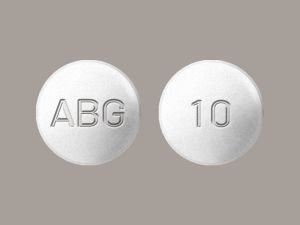
Oxycodone 10mg
$350.00 Select options This product has multiple variants. The options may be chosen on the product page -
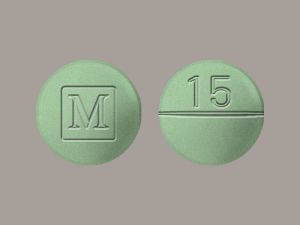
Oxycodone 15mg
$350.00 Select options This product has multiple variants. The options may be chosen on the product page -
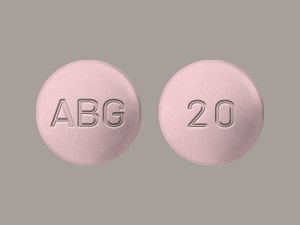
Oxycodone 20mg
$350.00 Select options This product has multiple variants. The options may be chosen on the product page -
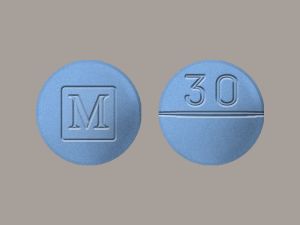
Oxycodone 30mg
$350.00 Select options This product has multiple variants. The options may be chosen on the product page -

Oxycodone 40mg
$350.00 Select options This product has multiple variants. The options may be chosen on the product page -
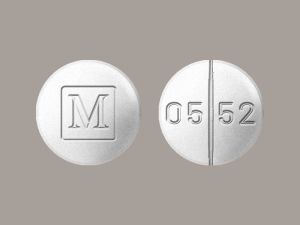
Oxycodone 5mg
$350.00 Select options This product has multiple variants. The options may be chosen on the product page -
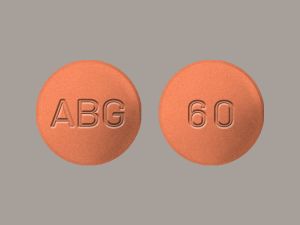
Oxycodone 60mg
$350.00 Select options This product has multiple variants. The options may be chosen on the product page -
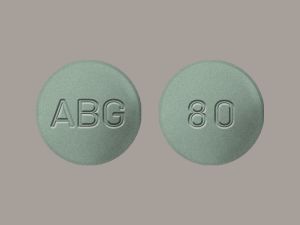
Oxycodone 80mg
$350.00 Select options This product has multiple variants. The options may be chosen on the product page
Oxycodone 5mg, 10mg, 15mg, 20mg, 30mg, 40mg, 60mg and 80mg: Uses and Safety Guide
Oxycodone is a prescription opioid medication used to manage certain types of moderate to severe pain when a healthcare professional determines that opioid treatment is appropriate. It acts on opioid receptors in the central nervous system to change how the body perceives pain.
Oxycodone is available in different formulations, including immediate-release and extended-release products. These formulations have different release characteristics and instructions, so the strength alone does not establish how a particular product should be used.
The listed strengths range from 5mg to 80mg. These values do not confirm the authenticity, formulation or current approval status of a product. Oxycodone carries serious risks, including respiratory depression, dependence and potentially fatal overdose, and must be used only under appropriate medical supervision.
What Is Oxycodone?
Oxycodone is an opioid analgesic that works primarily by activating mu-opioid receptors. This changes pain signaling and can reduce the perception of pain.
Healthcare professionals may prescribe oxycodone for selected pain conditions when other treatments are inadequate or unsuitable. The decision depends on the cause and severity of pain, previous treatment, medical history and individual risk factors.
Oxycodone is not appropriate for every type of pain. Non-opioid medicines, physical therapy, rehabilitation and other treatments may be more suitable depending on the underlying condition.
Oxycodone 5mg to 80mg: Understanding the Listed Strengths
The supplied listing includes oxycodone 5mg, 10mg, 15mg, 20mg, 30mg, 40mg, 60mg and 80mg. These are advertised strengths, not confirmation that each strength is available in every formulation or that the listed products are genuine.
Oxycodone 5mg and 10mg
Oxycodone 5mg and 10mg are listed strengths that may be associated with certain oxycodone formulations. Whether a particular product is appropriate depends on the prescribed formulation, individual medical needs and the clinician’s assessment.
Even a lower strength can cause serious harm in someone without opioid tolerance or when combined with alcohol or sedating medication. Do not use a product based only on the strength displayed online.
Oxycodone 15mg and 20mg
The 15mg and 20mg strengths also require careful verification of the product and formulation. The amount of medication alone does not determine whether it is suitable for a particular person.
Do not substitute these strengths for another opioid or adjust a prescribed regimen independently. Different opioid medications can have different potency and duration of action.
Oxycodone 30mg and 40mg
Oxycodone 30mg and 40mg are higher listed strengths than 5mg or 10mg. The safety of a particular strength depends on factors such as previous opioid exposure, the formulation, other medicines and the patient’s health.
Taking more oxycodone than prescribed can cause severe sedation and life-threatening breathing problems. A clinician must determine whether an opioid is appropriate and how treatment should be monitored.
Oxycodone 60mg and 80mg
The listing also includes 60mg and 80mg strengths. These values should not be treated as routine options for every patient or as evidence that a product is suitable for use.
Some high-strength oxycodone products have been associated with specific extended-release formulations. The exact formulation must be verified through official product information. Never assume that a high-strength tablet is immediate-release or interchangeable with another product.
Why Formulation Matters
Immediate-release and extended-release oxycodone products are not interchangeable without professional guidance. Extended-release formulations are designed to release medication over time, while immediate-release products have different release characteristics.
Altering certain extended-release tablets can release medication too quickly and cause overdose. Do not crush, chew, split or otherwise modify a product unless the official instructions for that exact formulation explicitly permit it.
What Is Oxycodone Used For?
Moderate to Severe Pain
Oxycodone may be prescribed for selected cases of moderate to severe pain when a clinician determines that opioid treatment is necessary. The choice of medication depends on the diagnosis, expected duration of pain, previous treatment and individual risks.
Treatment should be reviewed regularly to determine whether the benefits continue to outweigh the risks. An opioid prescription does not replace assessment of the underlying cause of pain.
Persistent Pain Requiring Specialist Assessment
Certain opioid formulations may be considered for carefully selected patients who need ongoing pain management. Extended-release products have specific indications and are not intended for occasional pain or as a substitute for immediate-release medication without professional direction.
A healthcare professional may consider non-opioid medicines, physical rehabilitation, behavioral approaches or other interventions as part of a broader pain-management plan.
How Does Oxycodone Work?
Oxycodone acts on opioid receptors in the brain and spinal cord, changing how pain signals are processed. This can reduce pain perception, but it can also affect breathing, alertness and gastrointestinal function.
The same mechanism that provides pain relief can cause adverse effects such as constipation, sedation and respiratory depression. Risk increases when the medication is used incorrectly or combined with other substances that slow the central nervous system.
The effects and duration depend on the formulation, individual metabolism, other medications and medical conditions.
Oxycodone Dosage and Administration Safety
Oxycodone dosing must be individualized by a qualified prescriber. There is no universally appropriate strength or dosage schedule for everyone.
Important precautions include:
- Use only medication that has been prescribed to you and dispensed through a legitimate pharmacy.
- Follow the exact instructions for the verified formulation.
- Never take extra doses because pain relief seems insufficient.
- Do not switch strengths, brands or formulations without professional guidance.
- Do not crush, chew or alter extended-release tablets unless official product instructions explicitly allow it.
- Avoid alcohol and ask a clinician or pharmacist about all other medicines.
- Do not drive or operate machinery if you feel drowsy, dizzy or impaired.
- Keep the medication secured and never share it.
If pain remains uncontrolled or side effects occur, contact the prescriber instead of taking additional medication.
Possible Side Effects of Oxycodone
Oxycodone can cause mild, moderate or serious side effects. The likelihood depends on the formulation, prescribed dose, individual health and other substances being used.
Common Side Effects
Possible side effects include:
- Constipation
- Nausea or vomiting
- Drowsiness
- Dizziness or lightheadedness
- Itching
- Dry mouth
- Sweating
Discuss persistent or troublesome symptoms with a healthcare professional. Do not adjust your medication independently to manage side effects.
Serious Side Effects
Serious adverse effects can include slow or difficult breathing, profound sedation, low blood pressure, fainting and severe allergic reactions.
Seek emergency medical help if someone taking oxycodone cannot be awakened, has very slow breathing, collapses or develops blue or gray lips or fingertips. These may indicate an opioid overdose.
Older adults and people with certain respiratory conditions or other medical problems may need additional assessment and monitoring.
Oxycodone Drug Interactions
Oxycodone can interact with medicines and substances that affect breathing, alertness or the way the body processes medication.
Alcohol
Alcohol can intensify sedation and respiratory depression when combined with oxycodone. Avoid alcohol while taking opioid medication.
Benzodiazepines and Sleep Medicines
Medicines such as alprazolam, clonazepam, diazepam and lorazepam can increase the risk of profound sedation, respiratory depression, coma and death when combined with opioids.
Some sleep medicines, muscle relaxants and other sedating products may create similar risks. A qualified clinician should review the combination before treatment.
Other Opioids
Using oxycodone with other opioid medicines can increase the risk of overdose. Do not combine opioids unless a prescriber has explicitly reviewed and directed the treatment plan.
Medicines That Affect Drug Metabolism
Some antibiotics, antifungal medicines and other drugs can alter oxycodone levels or increase adverse effects. Provide your healthcare professional with a complete list of prescription medicines, over-the-counter products and supplements.
Dependence, Tolerance and Withdrawal
Oxycodone can cause physical dependence, even when taken as prescribed. Tolerance may develop with repeated exposure, meaning the same dose may have a different effect over time.
Physical dependence is not the same as opioid use disorder. However, taking more medication than directed, using it for nonmedical purposes or feeling unable to control use may indicate a need for professional assessment and support.
Stopping an opioid suddenly after regular use may cause withdrawal symptoms. If treatment needs to change, consult the prescriber about an appropriate plan rather than attempting to stop, switch or adjust the medicine independently.
Recognizing an Oxycodone Overdose
An opioid overdose is a medical emergency. Warning signs may include:
- Very slow, shallow or absent breathing
- Extreme sleepiness or inability to wake up
- Limpness or loss of consciousness
- Blue or gray lips or fingertips
- Unusual snoring, choking or gurgling sounds in an unresponsive person
Call emergency services immediately if an overdose is suspected. Administer naloxone if available and follow the emergency dispatcher’s instructions. Provide rescue breathing or CPR if appropriate and you are able to do so. Stay with the person until help arrives.
Naloxone can temporarily reverse opioid effects, but emergency medical assessment remains important because symptoms can return.
Prescription and Online Pharmacy Safety
In the United States, oxycodone is classified as a Schedule II controlled substance and requires a valid prescription under applicable law.
An online listing that advertises oxycodone without a prescription should be treated with caution. A product image, price or stated strength does not prove that the medicine is genuine, correctly formulated or legally dispensed.
Before obtaining prescription medication, verify the pharmacy’s licensing and consult a qualified healthcare professional. Be wary of sellers that promise controlled opioids without required medical review, provide no verifiable pharmacy information or cannot establish the product’s origin.
Never use medication prescribed to another person, and do not share your prescription.
Storage and Disposal
Store lawfully dispensed oxycodone in its original labeled container in a secure location inaccessible to children, visitors and anyone for whom it was not prescribed. Accidental ingestion can be fatal, particularly for children and people without opioid tolerance.
Follow pharmacy instructions for storage and disposal. Ask about authorized medication take-back programs for unused or expired medication, and do not share leftover tablets.
Frequently Asked Questions About Oxycodone
What is oxycodone used for?
Oxycodone is an opioid pain medication prescribed for selected cases of moderate to severe pain when a clinician determines that opioid treatment is appropriate.
What is the difference between oxycodone 5mg and 80mg?
These numbers represent different listed amounts of oxycodone per dosage unit. They do not establish the formulation, suitability or safety of a product. Higher strengths can pose serious risks and must never be selected or substituted independently.
Is immediate-release oxycodone the same as extended-release oxycodone?
No. The formulations release medication differently and have different instructions. They should not be substituted or altered without guidance from a qualified healthcare professional.
Can oxycodone be taken with alcohol?
Combining oxycodone with alcohol can cause dangerous sedation and breathing suppression. Avoid alcohol while taking this medicine.
Is oxycodone a controlled substance?
Yes. In the United States, oxycodone is a Schedule II controlled substance and requires a valid prescription under applicable law.
Can oxycodone cause dependence?
Yes. Physical dependence can occur during ongoing treatment, and the medicine also carries a risk of misuse and opioid use disorder. Discuss concerns with a healthcare professional.
What should I do if I suspect an overdose?
Call emergency services immediately, give naloxone if available and follow emergency instructions. Do not leave the person alone while waiting for help.
How can I verify an online oxycodone pharmacy?
Check that the pharmacy is appropriately licensed and follows applicable prescription requirements. A product photograph or website listing alone cannot confirm authenticity or safety.
Medical Disclaimer
This content is for general educational purposes only and is not a substitute for professional medical advice, diagnosis or treatment. Oxycodone can cause serious or fatal respiratory depression, dependence and overdose. Use it only under appropriate medical supervision and in accordance with applicable prescription requirements. Do not rely on online product listings to verify authenticity, formulation or legal availability.