
Buy Gabapentin Online
Showing all 3 results
-
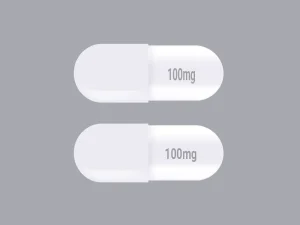
Gabapentin 100mg
$350.00 Select options This product has multiple variants. The options may be chosen on the product page -

Gabapentin 300mg
$350.00 Select options This product has multiple variants. The options may be chosen on the product page -
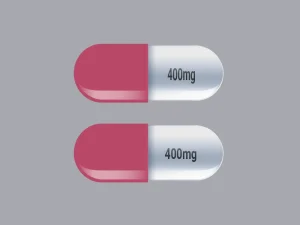
Gabapentin 400mg
$350.00 Select options This product has multiple variants. The options may be chosen on the product page
Gabapentin: Uses, Strengths, Side Effects, and Safety Guide
Gabapentin is a prescription medication used to manage certain types of nerve pain and seizures. It affects the nervous system and may help reduce abnormal nerve activity associated with specific medical conditions. Gabapentin is available in different strengths, including 100mg, 300mg, and 400mg capsules, although availability and dosage forms may vary by manufacturer and location.
Understanding gabapentin’s medical uses, possible side effects, precautions, and interactions can help patients have informed discussions with their healthcare professionals. This guide provides general information about gabapentin and important considerations for safe medication use.
What Is Gabapentin?
Gabapentin is an anticonvulsant medication, also known as an antiseizure medicine. It is commonly prescribed for certain seizure disorders and specific types of nerve pain.
Although its chemical structure resembles gamma-aminobutyric acid (GABA), a naturally occurring neurotransmitter, gabapentin does not work by directly activating GABA receptors. Instead, it binds to a specific subunit of voltage-gated calcium channels and influences the release of certain neurotransmitters involved in nerve signaling.
The medication’s effects depend on the condition being treated, the prescribed formulation, and individual factors such as kidney function and other medicines being taken.
What Is Gabapentin Used For?
Gabapentin has several established medical uses. The approved uses can vary by formulation and country, so patients should check the medication information provided with their prescription.
1. Nerve Pain
Gabapentin is commonly prescribed for certain types of neuropathic pain, which develops when nerves are damaged or do not function normally.
One established use is the management of pain following shingles, a condition known as postherpetic neuralgia. This pain may involve burning, tingling, sensitivity to touch, or persistent discomfort in the affected area.
Gabapentin may help reduce nerve-related symptoms, but its effectiveness varies. It does not repair the underlying nerve damage, and a healthcare professional should assess persistent or unexplained pain.
2. Seizure Management
Gabapentin may be used alongside other medicines to help control certain types of partial-onset seizures. It is not appropriate for every seizure disorder and should be taken only as part of a treatment plan established by a qualified healthcare professional.
Patients should not stop taking gabapentin suddenly without medical guidance, as abrupt changes may increase seizure-related risks in some circumstances.
3. Other Uses
Healthcare professionals may sometimes prescribe gabapentin for conditions outside its officially approved indications. Such prescribing is known as off-label use.
An off-label prescription should be based on an individual clinical assessment and a discussion of the available evidence, expected benefits, and potential risks. Gabapentin should not be used for a new symptom or condition without professional guidance.
Gabapentin 100mg, 300mg, and 400mg
Gabapentin comes in multiple strengths. The strength refers to the amount of gabapentin contained in an individual capsule or other dosage unit.
| Strength | General information |
|—|—|
| Gabapentin 100mg | A lower-strength option that may be used when a clinician determines that a smaller dose is appropriate. |
| Gabapentin 300mg | A commonly available capsule strength used in individualized treatment plans. |
| Gabapentin 400mg | Another capsule strength that may be prescribed according to the patient’s condition and response. |
These strengths are not interchangeable on a milligram-for-milligram basis with other medications. The right strength depends on the diagnosis, treatment goals, kidney function, other medicines, and tolerance.
A product listing alone does not confirm its authenticity or full formulation. Always check the original packaging and dispensing label, and ask a licensed pharmacist if any details are unclear.
Gabapentin Dosage and Administration Precautions
Gabapentin dosage varies depending on the condition being treated, the patient’s age, kidney function, and the specific product prescribed. There is no single dose that is suitable for everyone.
For safe use:
- Follow the dosage and timing on your prescription label.
- Do not increase the dose or take extra capsules without medical advice.
- Take the medication consistently according to your prescribed schedule.
- If you miss a dose, follow the instructions provided by your healthcare professional or pharmacist.
- Do not double the next dose to make up for a missed one unless specifically directed.
- Ask a healthcare professional before stopping treatment or changing the dose.
Gabapentin is eliminated primarily through the kidneys. People with reduced kidney function may need a different dosing schedule. Older adults may also require additional assessment because kidney function and sensitivity to sedating medicines can change with age.
Do not share gabapentin with anyone else, even if they report similar symptoms.
Possible Side Effects of Gabapentin
Like other prescription medicines, gabapentin can cause side effects. Some may improve as the body adjusts, while others require medical attention.
Commonly reported side effects include:
- Dizziness
- Drowsiness or sleepiness
- Fatigue
- Difficulty with coordination
- Unsteadiness while walking
- Swelling in the legs or feet
- Blurred vision
- Nausea or other digestive discomfort
These effects may be more noticeable when treatment begins or when a dose changes. Avoid driving, operating machinery, or doing activities requiring full alertness until you understand how gabapentin affects you.
Serious Side Effects
Seek medical advice promptly for severe or persistent symptoms. Get emergency assistance if you experience difficulty breathing, extreme sleepiness, or difficulty waking up.
Gabapentin may also be associated with mood or behavioral changes, including new or worsening depression or thoughts of self-harm. Contact a healthcare professional promptly if these symptoms develop.
A serious allergic reaction may involve swelling of the face, lips, tongue, or throat, or difficulty breathing. These symptoms require emergency care.
Gabapentin Interactions and Safety Warnings
Gabapentin can interact with other medicines and substances. Tell your prescriber and pharmacist about all prescription medicines, over-the-counter products, supplements, and recreational substances you use.
Opioids and Other Sedating Medicines
Combining gabapentin with opioid pain medicines or other central nervous system depressants can increase the risk of serious sedation and breathing problems. Risk may be higher in older adults and people with respiratory conditions.
Do not combine these medicines unless a healthcare professional has reviewed the risks and provided clear instructions.
Alcohol
Alcohol can worsen dizziness, sleepiness, and impaired coordination. Ask your healthcare professional whether alcohol should be avoided completely during treatment. Do not drive if you feel impaired.
Antacids
Certain aluminum- or magnesium-containing antacids can reduce the absorption of gabapentin. The product instructions or a pharmacist can explain whether doses should be separated and by how long.
Kidney Problems
Because gabapentin is cleared mainly through the kidneys, reduced kidney function can cause the medication to accumulate. Inform your healthcare professional about kidney disease or any history of dialysis so the prescription can be assessed appropriately.
Pregnancy and Breastfeeding
If you are pregnant, planning pregnancy, or breastfeeding, discuss gabapentin with your healthcare professional. Do not start or discontinue treatment on your own, especially when it is being used to control seizures.
Can Gabapentin Cause Dependence or Withdrawal?
Gabapentin can cause physical dependence in some people, particularly with prolonged use. Some patients may experience withdrawal symptoms after suddenly stopping treatment, especially after taking it regularly for an extended period.
Possible symptoms may include anxiety, insomnia, nausea, sweating, pain, or feeling generally unwell. Seizures may be a concern for certain patients, particularly those using gabapentin for seizure control.
If treatment needs to stop, a healthcare professional can determine whether a gradual dose reduction is appropriate. Do not change the dose or stop regular treatment without medical advice.
Gabapentin also has potential for misuse, particularly when combined with opioids or other sedating substances. Use it only for the person and condition for which it was prescribed.
Buying Gabapentin Online: What to Check
When researching gabapentin online, medication safety should take priority over price or convenience. A product page does not prove that a medicine is authentic, properly stored, or legally available.
Before obtaining gabapentin online, consider these precautions:
1. Verify pharmacy licensing. Check the pharmacy’s credentials with the relevant regulator in your location.
2. Follow prescription requirements. Use a valid prescription when required and ensure that the pharmacy follows applicable laws.
3. Review product details. Confirm the active ingredient, strength, dosage form, manufacturer, and packaging information.
4. Check access to a pharmacist. A legitimate pharmacy should provide a way to ask questions about interactions, dosage instructions, and side effects.
5. Be cautious of unsupported claims. Statements that promise guaranteed results or offer prescription medicines while bypassing required medical review should be treated carefully.
In the United States, gabapentin is not federally classified as a controlled substance, but some states impose additional monitoring or prescribing requirements. Prescription rules and dispensing requirements may vary by location and product. A claim such as “no prescription required” should not be treated as proof that an online seller is legitimate.
Frequently Asked Questions About Gabapentin
What is gabapentin commonly used for?
Gabapentin is used for certain types of nerve pain and, in specific formulations and circumstances, as an additional treatment for partial-onset seizures. Other uses may be off-label and require an individualized clinical assessment.
What is the difference between gabapentin 100mg, 300mg, and 400mg?
The numbers indicate the amount of gabapentin in each dosage unit. The appropriate strength depends on the condition being treated, kidney function, other medicines, and the prescribing professional’s instructions.
Does gabapentin cause drowsiness?
Yes. Drowsiness, dizziness, fatigue, and coordination problems are recognized side effects. Avoid driving or operating machinery if you feel sleepy or unsteady.
Can gabapentin be taken with opioid pain medication?
The combination may increase the risk of sedation and serious breathing problems. It should only be used when a qualified healthcare professional has reviewed the risks and provided appropriate instructions.
Can gabapentin be stopped suddenly?
Do not stop regular treatment suddenly without professional advice. Depending on the reason for treatment and the duration of use, a clinician may recommend gradually reducing the dose.
Is gabapentin a controlled substance in the United States?
Gabapentin is not federally scheduled as a controlled substance in the United States, but certain states have additional requirements. It remains a prescription medication for its approved uses, and dispensing rules should be checked locally.
Is it safe to buy gabapentin online?
Online purchasing is safest when using a properly licensed pharmacy that follows applicable prescription rules and provides authentic, correctly labeled medication. A website’s claims alone do not verify its legitimacy.
Medical Disclaimer
This page is for general educational purposes only and does not replace professional medical advice, diagnosis, or treatment. Gabapentin may not be suitable for everyone, and its risks depend on individual health conditions, kidney function, and other medicines. Consult a qualified healthcare professional or licensed pharmacist before starting, changing, or stopping treatment. Seek emergency assistance for suspected overdose, serious breathing problems, or a severe allergic reaction.