
Buy Hydromorphone Online
Showing all 3 results
-
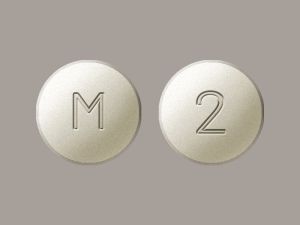
Hydromorphone 2mg
$350.00 Select options This product has multiple variants. The options may be chosen on the product page -

Hydromorphone 4mg
$350.00 Select options This product has multiple variants. The options may be chosen on the product page -

Hydromorphone 8mg
$350.00 Select options This product has multiple variants. The options may be chosen on the product page
Hydromorphone: Uses, Strengths, Side Effects, and Safety Guide
Hydromorphone is a prescription opioid medication used to manage certain cases of severe pain when a healthcare professional determines that opioid treatment is appropriate. It acts on opioid receptors in the central nervous system to change how the body perceives pain.
Hydromorphone is a potent medication with significant risks, including respiratory depression, overdose, tolerance, and physical dependence. Understanding its medical uses, formulations, possible side effects, and safety precautions is important for patients and caregivers.
This guide provides general information about hydromorphone 2mg, 4mg, and 8mg products, while explaining why prescription supervision and product verification matter.
What Is Hydromorphone?
Hydromorphone is an opioid analgesic used for pain management. It is also known by the brand name Dilaudid in certain formulations and markets.
Healthcare professionals may consider hydromorphone when pain is severe enough to require an opioid and other treatments have not provided adequate relief or are unsuitable. The appropriate formulation depends on the patient’s medical condition, previous treatment, and the product’s approved labeling.
Hydromorphone should only be used by the person for whom it was prescribed. It is not appropriate for self-treatment of unexplained pain or for use based solely on an online product description.
What Is Hydromorphone Used For?
Hydromorphone may be prescribed for certain cases of severe acute or persistent pain. The exact approved use depends on the formulation and the applicable prescribing information.
Examples of situations where a clinician may assess the need for opioid pain relief include:
- Severe pain following certain medical procedures
- Significant pain associated with an injury
- Other severe pain conditions requiring prescription opioid treatment
The decision to use hydromorphone should account for the expected benefits, alternative treatments, and individual risk factors. Treatment should be monitored and reassessed by a qualified healthcare professional.
How Does Hydromorphone Work?
Hydromorphone binds to opioid receptors in the brain and spinal cord. This changes the transmission and perception of pain signals, helping reduce the experience of pain.
The same mechanism can also affect areas of the brain responsible for breathing and alertness. As a result, hydromorphone may cause drowsiness and, in serious cases, dangerously slow breathing.
Its potency means that incorrect use, accidental ingestion, or combining it with certain sedating substances can have severe consequences. Never adjust a prescribed regimen without professional guidance.
Hydromorphone 2mg, 4mg, and 8mg
Hydromorphone is available in different strengths and dosage forms. The category listing includes 2mg, 4mg, and 8mg products, but an online listing alone does not verify the authenticity, formulation, or dispensing status of any particular product.
| Listed strength | Important consideration |
|—|—|
| Hydromorphone 2mg | Verify the exact dosage form and official product labeling. |
| Hydromorphone 4mg | Confirm the prescribed formulation and directions with a pharmacist. |
| Hydromorphone 8mg | Verify the product carefully and do not assume it is suitable based on strength alone. |
These strengths are not interchangeable with one another without clinical assessment. Hydromorphone products may differ in their release characteristics, and an immediate-release product must not be assumed equivalent to an extended-release product.
The appropriate medication and formulation depend on the patient’s medical history, opioid exposure, other medicines, and treatment goals.
Hydromorphone Dosage and Administration Precautions
Hydromorphone dosage must be determined by a qualified healthcare professional based on the specific product and the patient’s clinical circumstances. There is no single dose appropriate for everyone.
Important precautions include:
- Follow the exact directions on the prescription label.
- Never take more than prescribed or use the medicine more frequently than directed.
- Do not crush, chew, or alter extended-release tablets unless the official product instructions specifically permit it.
- Do not combine different opioid products without medical direction.
- Never share hydromorphone with another person.
- Store it securely and out of reach of children and others for whom it was not prescribed.
- Ask a pharmacist how to handle a missed dose or a change in formulation.
If pain is not adequately controlled, contact the prescribing professional rather than taking extra medication. Increasing the amount independently can raise the risk of respiratory depression and overdose.
Possible Side Effects of Hydromorphone
Hydromorphone can cause side effects even when taken as prescribed. Their severity may vary according to the formulation, dose, other medicines, and individual health factors.
Possible side effects include:
- Drowsiness or sleepiness
- Dizziness or lightheadedness
- Nausea or vomiting
- Constipation
- Itching
- Sweating
- Reduced alertness
- Low blood pressure or faintness
Avoid driving, operating machinery, or performing tasks that require full concentration if you feel impaired.
Constipation is a common concern with opioid medicines. Discuss suitable prevention and treatment options with a healthcare professional, especially if symptoms persist or become severe.
Serious Side Effects and Overdose
The most serious risks include respiratory depression, profound sedation, and overdose.
Warning signs may include:
- Slow, shallow, or irregular breathing
- Extreme sleepiness or difficulty waking
- Unresponsiveness
- Blue or gray lips or fingertips
- Unusual snoring or choking sounds in a person who cannot be awakened
If an overdose is suspected, call emergency services immediately. Give naloxone if available and follow the emergency dispatcher’s instructions. Naloxone can temporarily reverse an opioid overdose, but emergency medical care remains necessary.
Hydromorphone Interactions and Safety Warnings
Hydromorphone can interact with medicines and substances that affect breathing, alertness, or the central nervous system. Tell your prescriber and pharmacist about all prescription medicines, nonprescription products, supplements, and substances you use.
Alcohol
Avoid alcohol while taking hydromorphone. Alcohol can increase sedation and the risk of dangerous breathing problems, coma, or death.
Benzodiazepines and Sleeping Medicines
Medicines such as alprazolam, clonazepam, and diazepam, along with certain sleeping medicines, can intensify hydromorphone’s sedating effects. Combining opioids with these substances may cause profound sedation, respiratory depression, or fatal overdose.
Such combinations require careful professional assessment and should not be attempted without explicit medical direction.
Other Opioids and Sedatives
Using hydromorphone with other opioid pain medicines or central nervous system depressants may increase the risk of overdose. Do not add another pain medicine or sedative without consulting a healthcare professional.
Existing Medical Conditions
Tell your healthcare professional about breathing disorders, sleep apnea, liver or kidney problems, head injuries, pregnancy, or a history of substance use disorder. These factors may affect treatment decisions and the level of monitoring required.
Dependence, Tolerance, and Withdrawal
Hydromorphone can cause physical dependence and opioid use disorder. Physical dependence means the body adapts to the medication, potentially causing withdrawal symptoms if it is stopped or reduced too quickly.
Tolerance can develop when the body becomes less responsive to a medication over time. Taking more to overcome reduced effects can increase overdose risk.
Withdrawal symptoms may include restlessness, sweating, muscle aches, anxiety, stomach cramps, nausea, and diarrhea. If you have been taking hydromorphone regularly, consult your healthcare professional before stopping it. A supervised plan may be needed.
Keep the medication secured, never share it, and dispose of unused medication through an appropriate drug take-back program when available.
Prescription Requirements and Online Pharmacy Safety
In the United States, hydromorphone is classified as a Schedule II controlled substance. It is subject to strict prescribing and dispensing rules and requires a valid prescription from an appropriately authorized healthcare professional.
A website advertising hydromorphone without a prescription should not be assumed to be legitimate or safe. Product images, prices, and descriptions do not verify authenticity, storage conditions, or legal dispensing.
Before obtaining prescription medication online:
1. Verify the pharmacy’s license with the relevant state board of pharmacy or regulator.
2. Ensure the pharmacy follows applicable prescription requirements.
3. Confirm the product’s active ingredient, strength, dosage form, and manufacturer.
4. Check that a licensed pharmacist is available to answer medication questions.
5. Avoid sellers that claim to bypass required medical review or provide unclear product details.
If any product information is inconsistent or incomplete, consult a licensed pharmacist before considering the medication.
Frequently Asked Questions About Hydromorphone
What is hydromorphone used for?
Hydromorphone is prescribed for certain cases of severe pain when opioid treatment is considered appropriate. The exact indication depends on the formulation and its approved labeling.
What is the difference between hydromorphone 2mg, 4mg, and 8mg?
The numbers indicate the amount of hydromorphone per dosage unit. The appropriate strength depends on the prescribed formulation and individual clinical circumstances. The products should not be substituted for one another without professional guidance.
Is hydromorphone the same as Dilaudid?
Dilaudid is a brand name associated with hydromorphone. Product formulations and availability can vary, so the active ingredient and official labeling should always be checked.
Can hydromorphone cause addiction?
Yes. Hydromorphone carries risks of misuse, physical dependence, and opioid use disorder. Follow the prescription instructions and discuss concerns about dependence with a healthcare professional.
Can hydromorphone be taken with alcohol?
Alcohol should be avoided because the combination can increase sedation, respiratory depression, and overdose risk.
What should I do if an overdose is suspected?
Call emergency services immediately. Administer naloxone if available and follow emergency instructions. Do not wait for symptoms to improve on their own.
Can hydromorphone be purchased online without a prescription in the United States?
Hydromorphone is a Schedule II controlled substance in the United States and is subject to strict prescription requirements. A website claiming otherwise should be treated with caution, and its licensing and legitimacy should be independently verified.
Medical Disclaimer
This content is for general educational purposes only and is not a substitute for medical advice, diagnosis, or treatment. Hydromorphone is a potent opioid with serious risks, including respiratory depression, overdose, and dependence. Consult a qualified healthcare professional or licensed pharmacist before starting, changing, or stopping treatment. For suspected overdose or severe breathing problems, seek emergency medical assistance immediately.