
Buy Methylphenidate Online
Showing all 3 results
-
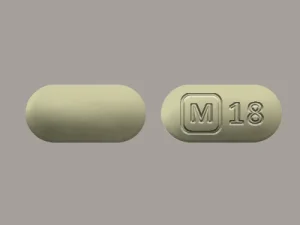
Methylphenidate ER 18mg
$350.00 Select options This product has multiple variants. The options may be chosen on the product page -
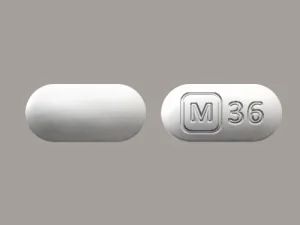
Methylphenidate ER 36mg
$350.00 Select options This product has multiple variants. The options may be chosen on the product page -
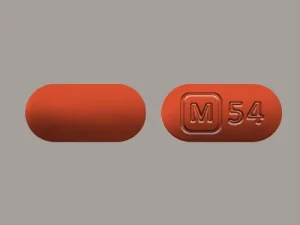
Methylphenidate ER 54mg
$350.00 Select options This product has multiple variants. The options may be chosen on the product page
Methylphenidate ER 18mg, 36mg and 54mg: Uses and Safety Guide
Methylphenidate extended-release (ER) is a prescription stimulant medication used primarily to treat attention-deficit/hyperactivity disorder (ADHD). It affects certain chemical messengers in the brain involved in attention, impulse control and activity regulation. Extended-release formulations are designed to release medication over a longer period than immediate-release products, although the duration depends on the specific formulation.
Methylphenidate ER is available in different strengths, including 18mg, 36mg and 54mg. The appropriate strength depends on a healthcare professional’s assessment, the specific product and the patient’s response to treatment. These strengths are not interchangeable without professional guidance.
This guide covers methylphenidate ER uses, formulation differences, potential side effects, important interactions, safe storage and prescription requirements.
What Is Methylphenidate ER?
Methylphenidate is a central nervous system stimulant. It is commonly prescribed to help manage ADHD symptoms, including difficulty sustaining attention, impulsivity and hyperactivity.
The abbreviation ER stands for extended release. An ER formulation is designed to release medication over an extended period according to its particular delivery system. Different extended-release products may have different release mechanisms and instructions, so the formulation name and official product information matter.
Methylphenidate is not appropriate for everyone. A prescriber should review medical history, current medications, cardiovascular health, mental health history and the possibility of substance misuse before starting treatment.
Methylphenidate ER 18mg, 36mg and 54mg
The 18mg, 36mg and 54mg strengths describe the amount of methylphenidate in the dosage unit. The correct option depends on the specific product and an individualized treatment plan.
Methylphenidate ER 18mg
Methylphenidate ER 18mg is a strength used in certain extended-release formulations. Depending on the product and the patient’s treatment history, a clinician may select this strength when initiating or adjusting treatment.
It should not be assumed that 18mg is the correct starting dose for every patient. Age, previous treatment, other medical conditions and product-specific prescribing information all affect dosing decisions.
Methylphenidate ER 36mg
Methylphenidate ER 36mg is another available strength used in some extended-release products. A clinician may consider this strength based on symptom control, tolerability and the patient’s response to a prescribed regimen.
Patients should not independently increase their dose if symptoms continue. The prescriber should assess whether the current treatment is effective and whether side effects or other factors require attention.
Methylphenidate ER 54mg
Methylphenidate ER 54mg is a higher listed strength than 18mg or 36mg. It may be appropriate for certain patients when supported by the prescribing information for the specific formulation and the clinician’s assessment.
Higher strengths can increase the likelihood or severity of adverse effects in some people. Never switch to 54mg or combine strengths without explicit instructions from the prescriber.
Are the Three Strengths Interchangeable?
No. Although all three contain methylphenidate, the appropriate dose depends on the individual and the product’s release mechanism. Extended-release formulations may differ in how quickly and how long they release medication.
Do not substitute a different brand or formulation, crush or chew tablets, or alter the prescribed dose without checking the product instructions and consulting a pharmacist or prescriber.
What Is Methylphenidate ER Used For?
Attention-Deficit/Hyperactivity Disorder (ADHD)
Methylphenidate ER is commonly used as part of ADHD treatment. It may help improve attention, reduce impulsivity and manage hyperactivity in people for whom the medication is appropriate.
Treatment is individualized. A healthcare professional may evaluate symptom severity, daily functioning, medical history and response over time. Medication may be combined with behavioral strategies, educational support or other interventions depending on individual needs.
Methylphenidate does not eliminate every ADHD symptom, and response varies between patients. Follow-up appointments help the prescriber evaluate benefits, side effects, appetite, sleep and other relevant factors.
Assessment Before Treatment
Before prescribing methylphenidate, a clinician may review:
- Blood pressure and heart rate
- Personal and family history of heart problems
- Current prescription medicines and supplements
- Anxiety, mood symptoms or other mental health concerns
- Sleep patterns and appetite
- Previous stimulant use and risk of misuse
- Other conditions that could affect treatment safety
The prescriber determines whether additional assessment or monitoring is appropriate.
How Does Methylphenidate Work?
Methylphenidate affects the activity of dopamine and norepinephrine, chemical messengers involved in attention, motivation and executive functioning. It primarily inhibits their reuptake, increasing their availability in certain parts of the nervous system.
These effects may help some people with ADHD regulate attention and impulses more effectively. The precise response varies by individual, and the medication should be used as part of a clinically supervised treatment plan.
Extended-release products use specific delivery systems to release the active ingredient over time. The exact duration and administration instructions depend on the product.
Methylphenidate ER Dosage and Administration Safety
The correct dose must be determined by a qualified prescriber using the specific product’s prescribing information and the patient’s clinical circumstances. Do not use online strength listings as a substitute for individualized dosing advice.
Important precautions include:
- Take the medicine exactly as prescribed.
- Follow the instructions for the specific extended-release formulation.
- Do not take extra doses to compensate for a missed dose unless a clinician or the product instructions specifically direct you to do so.
- Do not crush, chew or split an extended-release tablet unless the official instructions explicitly permit it.
- Avoid taking doses later than prescribed if doing so could interfere with sleep.
- Do not share the medication with another person.
- Tell your clinician if symptoms are not improving or adverse effects are difficult to manage.
If a dose is missed, consult the product instructions or pharmacist. Do not double the next dose to make up for a missed one.
Possible Side Effects of Methylphenidate ER
Methylphenidate can cause side effects, and their likelihood may depend on dose, formulation, individual sensitivity and other medications.
Common Side Effects
Possible side effects include:
- Reduced appetite
- Difficulty sleeping
- Headache
- Stomach discomfort or nausea
- Dry mouth
- Nervousness or irritability
- Increased heart rate
- Increased blood pressure
Some effects may improve as the body adjusts, but persistent or troublesome symptoms should be discussed with the prescribing clinician.
Serious Side Effects
Seek prompt medical advice for new or worsening mood changes, significant anxiety, persistent palpitations or other concerning symptoms.
Get emergency medical assistance for chest pain, fainting, severe shortness of breath, seizure, signs of stroke or a severe allergic reaction.
Stimulant medications can also be associated with new psychotic or manic symptoms in susceptible individuals. Report hallucinations, unusual suspiciousness, severe agitation or marked behavioral changes to a healthcare professional immediately.
Cardiovascular Precautions
Methylphenidate may increase blood pressure and heart rate. A clinician should assess cardiovascular history before treatment and monitor relevant measurements during therapy.
Tell the prescriber about heart disease, rhythm abnormalities, high blood pressure, fainting episodes or a family history of serious cardiac problems. Chest pain, fainting or severe breathing difficulty during treatment requires urgent medical assessment.
Do not assume that a lack of noticeable symptoms means cardiovascular monitoring is unnecessary.
Sleep, Appetite and Growth Monitoring
Methylphenidate ER may affect sleep and appetite. Taking the medication at the wrong time or adjusting it without guidance can make these effects more difficult to manage.
Practical steps to discuss with a clinician include maintaining a consistent sleep schedule, tracking appetite changes and reporting persistent insomnia. Children and adolescents receiving stimulant treatment may require monitoring of height, weight and growth patterns.
Do not change the dose or administration schedule solely to manage these effects without discussing the options with the prescriber.
Drug Interactions and Other Substances
Methylphenidate may interact with other medications and substances. Provide the prescribing clinician and pharmacist with a complete list of medicines, supplements and over-the-counter products.
MAO Inhibitors
Methylphenidate should not be used with monoamine oxidase inhibitors (MAOIs) or within the prohibited period after stopping an MAOI specified in the prescribing information. This combination can cause dangerous increases in blood pressure.
Blood Pressure and Heart Medicines
Some medicines used to treat cardiovascular conditions may require additional review when combined with methylphenidate. Your clinician can determine whether monitoring or changes to the treatment plan are needed.
Other Stimulants
Combining methylphenidate with other stimulant medications or stimulant-containing products may increase cardiovascular and nervous system effects. Use combinations only when specifically managed by a qualified clinician.
Caffeine and Alcohol
Caffeine may worsen nervousness, sleep problems or palpitations in some people. Discuss your caffeine intake with your healthcare professional if symptoms occur.
Alcohol can affect judgment and may complicate medication safety. Follow the specific product instructions and ask a pharmacist or prescriber about alcohol use while taking methylphenidate.
Misuse, Dependence and Safe Use
Methylphenidate is a controlled stimulant in the United States because it has potential for misuse and dependence. Taking it in larger amounts than prescribed, using it without a prescription or using it for nonmedical purposes can cause serious harm.
Misuse can increase the risk of rapid heart rate, high blood pressure, agitation, severe anxiety, dangerous overheating, seizures and other complications. Taking medication by an unapproved route can increase these risks further.
Keep the medication secured, do not share it and take it only as prescribed. If you are concerned about your use of methylphenidate or feel unable to follow the prescribed plan, contact a healthcare professional for support.
Prescription and Online Pharmacy Safety
In the United States, methylphenidate is a Schedule II controlled substance and requires a valid prescription under applicable law. A website advertising stimulant medication without a prescription should be approached with caution.
A product photograph, listed strength or online price does not verify that a medicine is genuine, correctly formulated or legally dispensed. Before obtaining a prescription medication, verify the pharmacy’s licensing and confirm that a qualified healthcare professional is involved in the prescribing process.
Be cautious of websites that promise controlled stimulants without the legally required prescription, provide no verifiable pharmacy details or make unrealistic claims about treatment outcomes. A pharmacist can help confirm product labeling, formulation and appropriate use.
Storage and Disposal
Keep methylphenidate in its original labeled container and follow the storage instructions provided by the pharmacy. Store it in a secure location that children, visitors and other people cannot access.
Do not leave tablets loose in bags or shared spaces. Accidental ingestion can be dangerous, especially for children.
For unused or expired medication, ask a pharmacist about an authorized medication take-back program or follow official local disposal guidance. Do not share leftover medication with anyone else.
Frequently Asked Questions
What is methylphenidate ER 18mg used for?
Methylphenidate ER 18mg is a strength of an extended-release stimulant used in certain prescribed treatment plans for ADHD. Whether it is appropriate depends on the specific product and the clinician’s assessment.
What is the difference between methylphenidate ER 18mg, 36mg and 54mg?
The strengths contain different amounts of methylphenidate per dosage unit. They may not be substituted or adjusted independently because dosing and release characteristics depend on the specific formulation and individual treatment plan.
How long does methylphenidate ER last?
The duration depends on the product’s release mechanism, individual metabolism and other factors. Check the official product information and ask the pharmacist about the specific formulation rather than assuming all extended-release products last the same amount of time.
Can methylphenidate ER tablets be crushed or split?
Do not crush, chew or split an extended-release tablet unless the official instructions for that exact product permit it. Altering some extended-release formulations can interfere with medication release and increase risk.
Can methylphenidate ER affect sleep?
Yes. Difficulty sleeping is a possible side effect. Discuss persistent sleep problems with the prescriber rather than independently changing the dose or timing.
Is methylphenidate ER a controlled substance?
Yes. In the United States, methylphenidate is classified as a Schedule II controlled substance and requires a valid prescription under applicable law.
Can methylphenidate be taken with other ADHD medicines?
Some treatment plans may involve more than one medicine, but combinations can increase side effects or interaction risks. Only combine treatments under the direction of the prescribing clinician.
What should I do if I experience severe side effects?
Contact a healthcare professional promptly for concerning symptoms. Seek emergency assistance for chest pain, fainting, seizure, severe shortness of breath or other potentially life-threatening symptoms.
Medical Disclaimer
This information is for general educational purposes only and is not a substitute for professional medical advice, diagnosis or treatment. Methylphenidate is a prescription controlled substance with important cardiovascular, psychiatric and misuse-related risks. Use it only as prescribed by a qualified healthcare professional and follow the official instructions for the specific formulation. Do not start, stop or change treatment without appropriate medical guidance.