
Buy Opana ER Online
Showing all 7 results
-
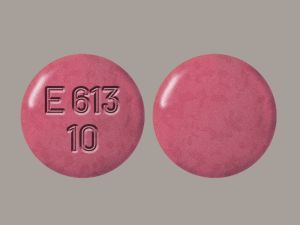
Opana ER 10mg
$350.00 Select options This product has multiple variants. The options may be chosen on the product page -

Opana ER 15mg
$350.00 Select options This product has multiple variants. The options may be chosen on the product page -
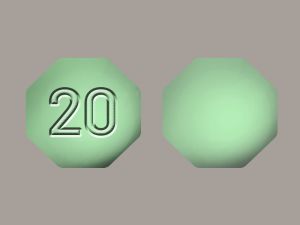
Opana ER 20mg
$350.00 Select options This product has multiple variants. The options may be chosen on the product page -
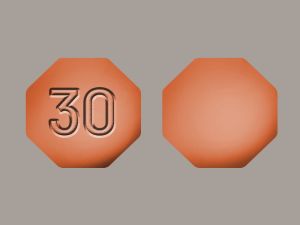
Opana ER 30mg
$350.00 Select options This product has multiple variants. The options may be chosen on the product page -

Opana ER 40mg
$350.00 Select options This product has multiple variants. The options may be chosen on the product page -

Opana ER 5mg
$350.00 Select options This product has multiple variants. The options may be chosen on the product page -
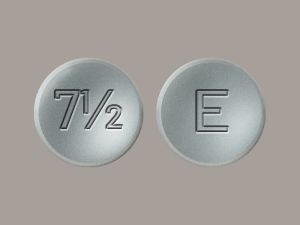
Opana ER 7.5mg
$350.00 Select options This product has multiple variants. The options may be chosen on the product page
Opana ER 5mg, 7.5mg, 10mg, 15mg, 20mg, 30mg and 40mg: Uses and Safety Guide
Opana ER is a brand name historically associated with extended-release oxymorphone, a prescription opioid pain medication. Extended-release medicines are designed to release medication over time. Oxymorphone acts on opioid receptors in the central nervous system to change how the body perceives pain.
Opioid medicines can cause serious respiratory depression, dependence and potentially fatal overdose. Extended-release formulations require particular caution because altering the dosage form or taking the medicine incorrectly can release medication in a dangerous way.
This guide explains oxymorphone extended-release, the listed Opana ER strengths, potential side effects, drug interactions and important prescription safety considerations. A website listing or product photograph does not establish that a product is genuine, approved or available for lawful dispensing.
What Is Opana ER?
Opana ER was the brand name for an extended-release formulation of oxymorphone. Oxymorphone is a potent opioid analgesic that affects pain signaling in the nervous system.
Extended-release opioid products have been used for certain patients with severe, persistent pain when other treatment options were inadequate. They are not intended for ordinary short-term pain or occasional discomfort.
Important availability note: The original Opana ER product was withdrawn from the United States market in 2017 at the request of the FDA because of concerns about the public health consequences of abuse. A current online listing does not prove that the product is FDA-approved, authentic or legally available. Patients should discuss current, legitimate treatment options with a licensed healthcare professional.
Understanding the Listed Opana ER Strengths
The supplied listing includes Opana ER 5mg, 7.5mg, 10mg, 15mg, 20mg, 30mg and 40mg. These names describe strengths advertised on the website, not confirmation that genuine, currently approved products in those strengths are available.
Oxymorphone products have specific formulation and prescribing requirements. Strengths, release characteristics and product availability must be confirmed through authoritative prescribing information and a licensed pharmacist.
Opana ER 5mg and 7.5mg
The listing identifies 5mg and 7.5mg strengths. A displayed strength alone cannot establish the identity, release mechanism, quality or safety of a product.
Do not use a product based only on its listed strength or appearance. Ask a pharmacist to verify the medicine and discuss legitimate alternatives if a prescribed medication is unavailable.
Opana ER 10mg and 15mg
The listing also identifies 10mg and 15mg strengths. These values should not be used to make independent treatment decisions or to substitute one opioid product for another.
Different opioid medications can have different potency, absorption and duration of action. Switching between them requires professional assessment and an individualized treatment plan.
Opana ER 20mg, 30mg and 40mg
The listing includes 20mg, 30mg and 40mg strengths. Higher numerical strengths should not be interpreted as appropriate options for every patient or as evidence that a product is suitable for use.
Never combine tablets, increase a dose or change opioid formulations without explicit instructions from a qualified healthcare professional. An incorrect opioid dose can cause life-threatening breathing problems.
What Was Opana ER Used For?
Historically, extended-release oxymorphone was prescribed for selected patients with severe, persistent pain requiring continuous opioid treatment when other options were inadequate. Its use required careful evaluation because of the risks associated with potent, long-acting opioids.
Severe, Persistent Pain
Extended-release opioid treatment may be considered in specific clinical circumstances when a clinician determines that expected benefits outweigh the risks. The decision depends on the cause and severity of pain, previous treatments, medical history and individual risk factors.
Opioids do not treat every underlying cause of pain. A clinician may consider non-opioid medication, physical rehabilitation, psychological support, procedures or other approaches depending on the diagnosis.
Why Specialist Assessment Matters
Long-acting opioids can accumulate in the body and may cause delayed respiratory depression. Clinicians assess opioid exposure, breathing disorders, other medicines, liver or kidney concerns and the risk of misuse before selecting treatment.
Patients should not try to recreate a previous opioid regimen using an online product or a different medication. A prescriber must assess current needs and determine a safe, lawful treatment option.
How Does Extended-Release Oxymorphone Work?
Oxymorphone primarily activates mu-opioid receptors in the central nervous system. This changes how pain signals are processed and perceived.
An extended-release formulation is designed to release medication over a longer period than an immediate-release formulation. However, release systems differ between products, and extended-release and immediate-release formulations are not automatically interchangeable.
Crushing, chewing or otherwise altering certain extended-release opioid tablets can release medication too quickly and lead to overdose. Follow only verified, product-specific instructions from an authorized healthcare professional.
Potential Side Effects of Oxymorphone
Opioids can cause a range of adverse effects. The severity depends on the medication, dose, other substances, individual health and prior opioid exposure.
Common Side Effects
Possible opioid-related side effects include:
- Nausea or vomiting
- Constipation
- Drowsiness
- Dizziness or lightheadedness
- Itching
- Dry mouth
- Sweating
Discuss persistent or troublesome symptoms with a healthcare professional. Do not attempt to manage side effects by independently changing a dose or combining additional medicines.
Serious Side Effects
Serious complications can include:
- Slow, shallow or difficult breathing
- Extreme sleepiness or inability to wake up
- Low blood pressure or fainting
- Severe allergic reactions
- Confusion or loss of consciousness
Seek emergency medical assistance if an opioid overdose is suspected or someone develops severe breathing difficulty. Do not wait for symptoms to improve on their own.
Opioid Overdose Risks
Opioid overdose can be fatal. Risk may increase when a person takes more medication than prescribed, uses an opioid without medical supervision, combines opioids with sedatives or has reduced opioid tolerance.
Warning signs include very slow or absent breathing, inability to wake the person, limpness and blue or gray lips or fingertips.
If an overdose is suspected, call emergency services immediately. Give naloxone if available and follow the emergency dispatcher’s instructions. Provide rescue breathing or CPR if appropriate and you are able to do so. Remain with the person until help arrives.
Naloxone can temporarily reverse opioid effects, but emergency evaluation remains important because symptoms may return.
Drug Interactions and Important Precautions
Oxymorphone can interact with other medicines and substances in ways that increase sedation, respiratory depression or other serious complications.
Alcohol
Alcohol can intensify opioid-related sedation and breathing suppression. Avoid combining alcohol with opioid medicines.
Benzodiazepines and Sleep Medicines
Medicines such as alprazolam, clonazepam, diazepam and lorazepam can increase the risk of profound sedation, respiratory depression, coma and death when combined with opioids.
Some sleep medicines, muscle relaxants and other sedating products can create similar risks. A healthcare professional should review all medications before any opioid treatment is considered.
Other Opioids
Combining opioid medications can increase overdose risk. Do not use multiple opioids together unless a qualified prescriber has explicitly reviewed and directed the treatment plan.
Other Medicines
Some medicines can affect opioid metabolism or increase adverse effects. Provide the prescriber and pharmacist with a complete list of prescription medicines, over-the-counter products and supplements.
Dependence, Tolerance and Withdrawal
Repeated opioid use can lead to physical dependence. Tolerance may also develop, meaning a person experiences less effect from the same amount over time.
Physical dependence is not identical to opioid use disorder. However, taking medication in larger amounts than directed, using it for nonmedical reasons or feeling unable to control opioid use may indicate a need for professional assessment and support.
Stopping an opioid suddenly after regular use can cause withdrawal symptoms. Anyone receiving ongoing opioid treatment should discuss changes or discontinuation with a clinician rather than attempting to switch or stop medication independently.
Extended-Release Opioid Safety
Extended-release opioids require special handling because their delivery systems are designed to release medication over time. Altering a tablet may cause too much medication to enter the body too quickly.
Important safety principles include:
- Never use an unverified product obtained from an online listing.
- Never crush, chew or alter an extended-release opioid unless official instructions for the exact product explicitly allow it.
- Do not change opioid strengths or switch products without a prescriber’s guidance.
- Keep opioid medicines secured and inaccessible to children and other people.
- Never share prescription medication.
- Ask a pharmacist about safe storage and disposal.
A product’s appearance or packaging is not enough to confirm its authenticity.
Prescription and Online Pharmacy Safety
Oxymorphone is a controlled opioid in the United States. Applicable prescribing and dispensing requirements must be followed, and controlled opioids require appropriate authorization.
The original Opana ER product was withdrawn from the US market in 2017. Therefore, an online listing that advertises Opana ER should not be taken as evidence of legitimate current availability.
Before obtaining any prescription medicine, verify the pharmacy’s licensing and speak with a qualified healthcare professional. Be cautious of sellers that claim controlled opioids can be obtained without required prescriptions, do not provide verifiable pharmacy information or cannot confirm the product’s origin and formulation.
If a prescribed opioid is unavailable, contact the prescriber or pharmacist to discuss legitimate alternatives. Do not substitute a product from an unverified source.
Safe Storage and Disposal
Keep any lawfully dispensed opioid medication in its original labeled container and in a secure location inaccessible to children, visitors and anyone for whom it was not prescribed.
Accidental ingestion can be fatal, particularly for children and people without opioid tolerance. Follow pharmacist instructions for storage and disposal, and ask about authorized medication take-back options for unused or expired medicines.
Frequently Asked Questions About Opana ER
What is Opana ER?
Opana ER was a brand name for an extended-release formulation of oxymorphone, a potent opioid pain medication. The original product was withdrawn from the US market in 2017.
What do the Opana ER 5mg, 10mg and other listed strengths mean?
These are strengths advertised in the supplied online listing. They do not confirm that the product is genuine, currently approved or legally available. A licensed pharmacist should verify any medicine before use.
Is Opana ER still available in the United States?
The original Opana ER product was withdrawn from the US market in 2017 at the FDA’s request because of public health concerns related to abuse. An online listing does not establish legitimate current availability.
Is oxymorphone an opioid?
Yes. Oxymorphone is an opioid analgesic that acts on opioid receptors. It can cause respiratory depression, physical dependence and potentially fatal overdose.
Can extended-release opioid tablets be crushed?
Altering certain extended-release opioid tablets can release medication too quickly and cause overdose. Do not crush, chew or alter a product unless verified official instructions for that exact formulation explicitly permit it.
Can oxymorphone be taken with alcohol?
Combining opioids with alcohol can increase sedation and breathing suppression. Avoid this combination and seek medical advice if alcohol has been consumed with an opioid.
What should I do if I need an alternative to Opana ER?
Speak with a licensed prescriber or pharmacist. They can assess the condition being treated and discuss legitimate, currently available options without assuming that another opioid is equivalent.
What should I do if an opioid overdose is suspected?
Call emergency services immediately, administer naloxone if available and follow emergency instructions. Stay with the person until help arrives.
Medical Disclaimer
This content is for general educational purposes only and is not a substitute for professional medical advice, diagnosis or treatment. Oxymorphone is a potent opioid that can cause serious or fatal harm. The original Opana ER product was withdrawn from the US market in 2017. Do not rely on online listings to verify authenticity, approval or legal availability. Consult a qualified healthcare professional for safe, lawful pain-management options.