
Buy Diazepam Online
Showing all 3 results
-
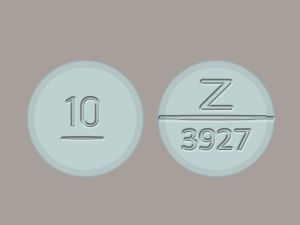
Diazepam 10mg
$350.00 Select options This product has multiple variants. The options may be chosen on the product page -
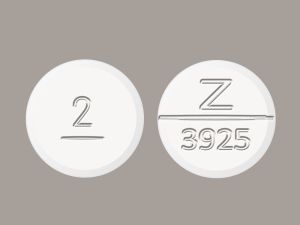
Diazepam 2mg
$350.00 Select options This product has multiple variants. The options may be chosen on the product page -
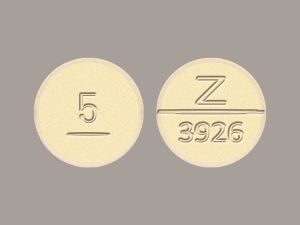
Diazepam 5mg
$350.00 Select options This product has multiple variants. The options may be chosen on the product page
Diazepam 2mg, 5mg and 10mg: Uses, Dosage and Safety Guide
Diazepam is a prescription medication belonging to the benzodiazepine class. It affects the central nervous system by enhancing the activity of gamma-aminobutyric acid (GABA), a chemical messenger that helps regulate nerve activity. Healthcare professionals prescribe diazepam for certain conditions, including anxiety symptoms, muscle spasms, alcohol withdrawal symptoms, and selected seizure-related situations.
If you are researching diazepam tablets, including diazepam 2mg, diazepam 5mg, and diazepam 10mg, understanding their uses, potential side effects, and safety precautions can help you have a more informed conversation with your healthcare professional. This guide covers the main medical uses of diazepam, differences between available strengths, medication interactions, and important considerations when evaluating an online pharmacy.
What Is Diazepam Used For?
Diazepam is a benzodiazepine that produces calming effects by enhancing GABA activity in the brain. Depending on the clinical situation, it may be prescribed for several specific indications.
Common medical uses include:
- Anxiety disorders and symptoms: Diazepam may be prescribed for certain severe or short-term anxiety symptoms when a clinician considers it appropriate.
- Muscle spasms: It may help relieve muscle spasms associated with selected conditions.
- Alcohol withdrawal: Healthcare professionals may use diazepam as part of supervised treatment for alcohol withdrawal symptoms.
- Certain seizure-related situations: Diazepam is used in particular seizure-management settings, depending on the formulation and clinical circumstances.
Diazepam is not appropriate for every person experiencing anxiety, muscle pain, sleep difficulties, or other symptoms. The decision to use it depends on the diagnosis, medical history, other medications, and the potential benefits and risks of treatment.
Diazepam Tablet Strengths: 2mg, 5mg and 10mg
Diazepam tablets are available in different strengths to support individualized prescribing. The strength indicates the amount of diazepam contained in each tablet, not the dose that every patient should take.
Diazepam 2mg
Diazepam 2mg is a lower-strength tablet that may be prescribed when a healthcare professional determines that this strength is appropriate. The correct regimen depends on the condition being treated, individual response, age, and other health considerations.
Even at a lower strength, diazepam can cause drowsiness, dizziness, impaired coordination, and dependence. Take it only as prescribed.
Diazepam 5mg
Diazepam 5mg is another available tablet strength. Its suitability depends on the clinical indication, the patient’s circumstances, and the prescriber’s instructions.
Do not switch from diazepam 2mg to 5mg or change how often you take the medicine without professional guidance. Different strengths are not interchangeable treatment recommendations.
Diazepam 10mg
Diazepam 10mg contains more medication per tablet than the 2mg and 5mg strengths. Higher exposure may increase the risk of sedation, confusion, impaired coordination, and other adverse effects.
A higher-strength tablet is not automatically more suitable or more effective for an individual. The prescribed dose and duration should be determined by a qualified healthcare professional.
How Does Diazepam Work?
Diazepam enhances the effects of GABA, an inhibitory neurotransmitter in the central nervous system. GABA helps reduce excessive nerve activity, contributing to diazepam’s calming, muscle-relaxing, anticonvulsant, and sedative effects.
The medicine can also affect alertness, memory, reaction time, and coordination. These effects are important when considering everyday activities, driving, and the use of other medications.
Diazepam can remain in the body for an extended period, and its effects may last longer in some individuals. Age, liver function, other medicines, and individual metabolism can influence how the medication affects a person.
Diazepam Dosage and Administration
There is no single diazepam dosage that is suitable for everyone. The appropriate dose depends on the condition being treated, the patient’s age and health, other medicines, treatment response, and the formulation prescribed.
Follow these general precautions:
- Take diazepam exactly as directed by your healthcare professional.
- Do not increase the dose or take it more frequently than prescribed.
- Do not use another person’s medication or share your own prescription.
- Ask your pharmacist what to do if you miss a dose. Do not double a dose unless specifically instructed.
- Avoid extending treatment beyond the prescribed period without medical review.
- Discuss a safe discontinuation plan before stopping regular treatment.
Diazepam can cause physical dependence, particularly with continued use. Stopping suddenly after regular use can lead to withdrawal symptoms, including severe anxiety, tremors, and potentially life-threatening seizures. A clinician can determine whether gradual dose reduction is necessary.
Diazepam Side Effects
Like other prescription medicines, diazepam can cause side effects. Their likelihood and severity vary depending on the dose, duration of use, individual sensitivity, and other medications.
Common side effects may include:
- Drowsiness or sleepiness.
- Dizziness or lightheadedness.
- Muscle weakness.
- Reduced alertness and slower reaction times.
- Problems with balance or coordination.
- Confusion or memory difficulties.
Avoid driving or operating machinery if you feel sleepy, dizzy, or impaired. Contact your healthcare professional if side effects persist, worsen, or affect your ability to perform everyday activities.
Serious Risks of Diazepam
Diazepam carries important risks, including misuse, addiction, physical dependence, and withdrawal. It can also cause dangerous sedation and breathing problems, especially when combined with opioids or other central nervous system depressants.
Seek emergency medical assistance if someone taking diazepam develops severe breathing difficulties, becomes extremely difficult to wake, or is unusually unresponsive.
People with certain breathing conditions, liver problems, a history of substance use, or other relevant medical concerns may require additional assessment before treatment. Share your complete medical history with your healthcare professional.
Diazepam Interactions and Safety Precautions
Before starting diazepam, tell your healthcare professional about all prescription medicines, over-the-counter products, supplements, and substances you use.
Alcohol: Alcohol can increase diazepam’s sedative effects and may lead to dangerous impairment. Avoid alcohol while taking diazepam.
Opioids: Combining diazepam with opioid medications can cause profound sedation, respiratory depression, coma, or death. Such combinations require careful professional assessment.
Sleeping medicines and sedatives: Other medicines that cause drowsiness may increase the risk of excessive sedation and impaired coordination.
Other medications: Certain medicines can affect how diazepam is processed by the body, potentially changing its effects or increasing adverse reactions.
Pregnancy and breastfeeding: Discuss potential risks, benefits, and alternatives with your healthcare professional before using diazepam.
Never combine diazepam with another sedating medicine or change your medication regimen without professional guidance.
Buying Diazepam Online: Pharmacy and Prescription Safety
People searching for diazepam online may compare tablet strengths, medication information, pharmacy credentials, and dispensing services. However, an online product listing does not establish that a medicine is genuine, legally supplied, or suitable for a particular person.
Use the following checklist when evaluating an online pharmacy:
1. Verify pharmacy credentials: Confirm that the pharmacy is appropriately licensed and authorized to dispense the medication.
2. Check prescription requirements: Diazepam is a controlled prescription medication in the United States. Follow applicable prescribing and dispensing requirements.
3. Review product details: Check the medication name, tablet strength, manufacturer, packaging, and dispensing information.
4. Be cautious of unsupported claims: Avoid relying on claims that prescription-only controlled medicines can be supplied without the required authorization.
5. Consult a healthcare professional: Ask about suitable treatment options, interactions, safe use, and the appropriate duration of treatment.
Do not assume that a website offering diazepam without a prescription is operating legally or providing authentic medication. Prioritize a legitimate pharmacy and appropriate clinical care.
Frequently Asked Questions About Diazepam
What is diazepam 2mg used for?
Diazepam 2mg may be prescribed for certain conditions when a clinician determines that this strength is appropriate. The intended use and dosing schedule depend on the diagnosis and individual treatment plan.
What is the difference between diazepam 2mg, 5mg and 10mg?
The strengths contain different amounts of diazepam per tablet. Higher strengths may increase the risk of adverse effects, and the correct strength depends on individual clinical needs. Do not change strengths without professional guidance.
Is diazepam a benzodiazepine?
Yes. Diazepam belongs to the benzodiazepine drug class. It enhances GABA activity and can produce calming, muscle-relaxing, anticonvulsant, and sedative effects.
Can diazepam cause dependence?
Yes. Physical dependence can develop with continued use, and some people may experience misuse or addiction. Never stop regular diazepam treatment suddenly without discussing a safe plan with your healthcare professional.
Can diazepam be taken with alcohol?
Alcohol can increase diazepam’s sedative effects and create dangerous health risks. Avoid alcohol while taking diazepam and ask your healthcare professional about other substances or medicines that may interact with it.
Can I buy diazepam online without a prescription?
In the United States, diazepam is a Schedule IV controlled substance and requires a valid prescription. Use a legitimate, appropriately licensed pharmacy and follow applicable legal requirements.
What should I do before stopping diazepam?
Consult your healthcare professional before stopping or changing regular treatment. Sudden discontinuation can cause withdrawal symptoms, including seizures. Your clinician can determine whether a gradual reduction is appropriate.
Medical Disclaimer
This content is for general educational purposes and is not a substitute for professional medical advice, diagnosis, or treatment. Diazepam is a controlled prescription medication with significant risks, including sedation, dependence, withdrawal, and potentially dangerous interactions. Always follow your healthcare professional’s instructions and the official medication guide. Do not change your dose, combine diazepam with alcohol or other sedatives, or discontinue regular treatment without appropriate medical guidance.